


Freight from Dubai to Iran is one of the Middle East’s main trade routes and plays a key role in the supply chains of Iranian importers and traders. With extensive port infrastructure and access to international shipping lines, Dubai serves as a hub for goods imported into Iran from around the world.
Shipping from Dubai to Iran is an important part of the country’s economy. Goods moving on this route include industrial equipment, electronic components, clothing, household appliances and raw materials.
World Green Line International Transport Company helps you manage each stage of the shipment to protect margins and reduce the risk of delays and unexpected costs.
To find out the cost of shipping from Dubai to Iran, contact us or complete the freight quote form. Our sales team will get back to you as soon as possible.

- World Green Line Freight Projects from Dubai to Iran
- Request a Freight Quote from Dubai
- How Much Does Freight from Dubai to Iran Cost?
- What Are the Shipping Methods from Dubai to Iran?
- Customs Clearance for Freight from Dubai to Iran
- Iran’s Seafarer Import Procedure (Tah-Lenji)
- What Does It Cost to Send Cargo from Dubai to Iran?
- Ship from Dubai to Iran with World Green Line
- Frequently Asked Questions About Freight from Dubai to Iran
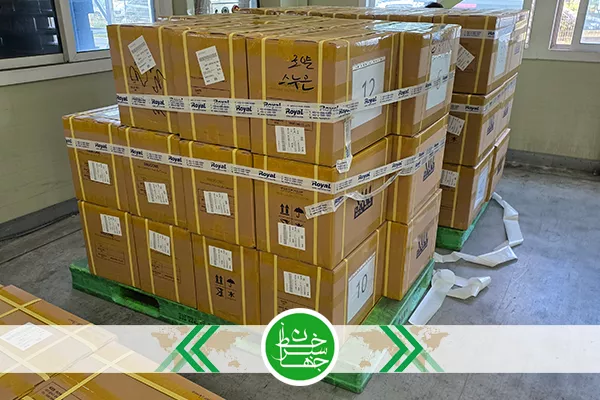
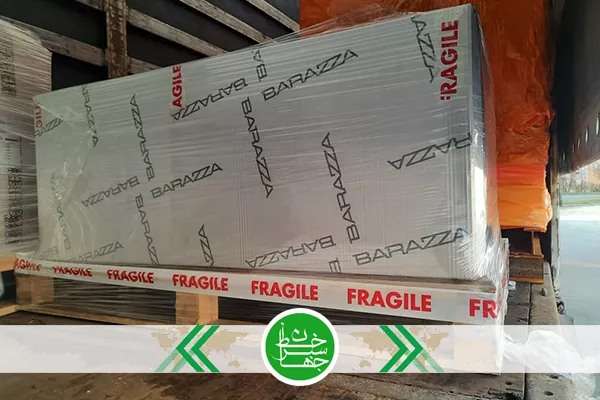
World Green Line Freight Projects from Dubai to Iran:


Request a Freight Quote from Dubai:
You can request a freight quote from Dubai at any time. Enter your shipment details, and our sales team will respond as soon as possible during business hours.
Include the commodity, package dimensions, gross weight, origin, destination and requested services. Ask for a written quote showing the sailing or flight, validity and charges payable at each end.
If you have trouble using the quote form, contact our support team.
"*" indicates required fields
How Much Does Freight from Dubai to Iran Cost?
Rates depend on the transport method, weight, volume and the services included. Ask for the main freight charge and separate costs for pickup, export documentation, terminal handling, customs clearance and final delivery. For ocean LCL, confirm the chargeable weight or volume and the minimum charge.
What to Request in a Dubai to Iran Freight Quote | ||||
|---|---|---|---|---|
Shipping Method | Quote Basis to Confirm | |||
Consolidated air freight | Per chargeable kilogram and weight band | |||
Ocean LCL freight | Per chargeable weight or volume, plus any minimum | |||
20-foot container | Per 20-foot container for the selected sailing | |||
40-foot container | Per 40-foot container for the selected sailing | |||
How Are Freight Costs from Dubai to Iran Calculated?
The cost of shipping from Dubai to Iran depends on factors including transport mode, weight, volume, commodity, final destination in Iran and additional services such as insurance or clearance.
- Air freight: Charges are based on the higher of actual scale weight and volumetric weight, which reflects the space occupied by the cargo.
- Full container load (FCL): You pay for the whole 20-foot or 40-foot container regardless of how much space you use.
- Less than container load (LCL): This method suits smaller consignments. The source calculates charges using cargo volume in cubic metres (CBM).
For a precise estimate, contact World Green Line. Our team will review your cargo and transport method and provide an itemized pro forma quote so you can compare your options.
Cost and Transit Checks by Shipping Method | |||||
|---|---|---|---|---|---|
Shipping Method | Main Pricing Basis | Schedule to Confirm | Best Suited To | Main Benefit | Key Considerations |
Air freight | Actual or volumetric weight, whichever is higher | Flight, acceptance cutoff and arrival | Light, valuable or urgent goods | Speed and security | Higher cost than other methods |
Full container load (FCL) | Container type (20 or 40 feet) | Sailing and cargo availability | Large shipments or bulk imports and exports | Cost-effective for large volumes | Full customs formalities required |
Less than container load (LCL) | Cargo volume in cubic metres (CBM) | Consolidation cutoff, sailing and release | Small and medium-sized importers | Avoids paying for a full container | Allow for consolidation and unloading |
Dhow freight | Approximate cargo weight or volume | Vessel, voyage approval and departure | General cargo and smaller shipments to southern Iran | Access to eligible local ports | Higher damage risk than container transport |
Post and small-parcel delivery | Package weight and service type | Dispatch and delivery estimate | Documents and lightweight parcels | Online tracking and door-to-door delivery | Weight and size limits apply |
What Are the Shipping Methods from Dubai to Iran?
Several methods are available for shipping from Dubai to Iran, each with different characteristics. Your choice directly affects delivery time, cargo security and the cost of importing from Dubai.
This section compares the benefits and limits of each option so you can choose a method based on the goods, budget and delivery deadline.
Air Freight from Dubai to Iran:
Air freight is among the fastest and most reliable options for Iranian traders shipping from Dubai to Iran. Dubai is a regional air cargo hub with carriers such as Emirates SkyCargo and flydubai Cargo and access to a broad international flight network.
The Persian reference describes regular flights from Dubai to major Iranian cities such as Tehran, Mashhad, Shiraz and Isfahan as an advantage for Iranian traders. Check current flights and cargo capacity before booking.
Air freight also offers security and shipment tracking. World Green Line’s reference describes international insurance, specialist packing and short-term airport storage in Dubai to reduce the risk of damage and delays.
Air freight can suit high-value or time-sensitive goods such as industrial parts, electronics, sensitive equipment or medicines. World Green Line can help coordinate the shipment from pickup through clearance in Iran, subject to cargo and service availability.
- Air Freight Transit Time from Dubai to Iran:
Confirm the next flight, cargo cutoff and when the shipment can be collected. Airport-to-airport time excludes pickup, clearance and final delivery unless those stages are included in the quote.
- Documents Required for Air Freight:
Air freight paperwork can include the commercial invoice, packing list and customs documents.
- Air Freight Services:
Air freight is generally available in two service categories:
- Express air freight uses the quickest available flights and aims to minimize clearance time. It is typically used for light, urgent consignments such as spare parts, medicines or important documents.
- General air freight is a common, economical option for larger shipments with less urgent deadlines, such as clothing, appliances and raw materials. Cargo is scheduled against available capacity and may wait for a flight to fill before dispatch.
- Permitted and Restricted Goods:
Dangerous or restricted cargo such as lithium batteries and certain chemicals must meet applicable IATA dangerous goods requirements. Confirm the carrier’s acceptance and any required approvals before booking.
How Much Does Air Freight from Dubai to Iran Cost?
Air freight costs are a major concern for traders and importers shipping from Dubai to Iran. The rate varies by shipment.
Air freight rates can change daily as airline capacity, fuel prices and demand change. The table shows which cost items to confirm for each weight band.
How to Request Air Freight Rates by Weight | ||||
|---|---|---|---|---|
Weight Band | Ask the Forwarder to Confirm | |||
0.5–3 kg | Any minimum charge | |||
3–50 kg | Chargeable weight and rate band | |||
50–100 kg | Rate per chargeable kilogram | |||
100 kg and above | Applicable weight break and available space | |||
The air freight from China to Iran page explains how air freight charges are calculated. The total you pay can include these additional charges:
- Fuel surcharge (FSC): An amount added to the freight charge.
- Security surcharge (SSC): The cost of screening the cargo.
- Air waybill fee (AWB fee): A fixed fee for issuing the transport document.
- Handling and terminal fees: Charges for moving and storing cargo at the departure airport in Dubai.
- Customs clearance: The cost of export customs formalities in Dubai.
What Affects Air Freight Costs from Dubai to Iran?
Air freight costs from Dubai to Iran depend on weight, cargo type, volume, destination airport, service and timing. The main factors are:
- Airline: Emirates, flydubai, Mahan Air, Iran Air and other carriers have different rates.
- Season and demand: Prices can rise during busy periods such as year-end and Nowruz.
- Cargo type: Dangerous goods or temperature-controlled cargo can cost more.
- Weight and volume: A larger shipment can qualify for a lower per-kilogram rate at a higher weight break.
- Service: Express is faster and usually costs more than standard service.
- Destination in Iran: A direct flight to Tehran can cost less than a service that needs a connection.
- Packing and insurance: Sensitive goods need suitable air freight packing and international cargo insurance.
Air Freight from Dubai to Iran with Mahan Air:
The Persian page describes Mahan Air as an option for traders who need quick and reliable dispatch. It lists flights from Dubai International Airport (DXB) to Tehran, Mashhad, Isfahan, Shiraz and Bandar Abbas. Confirm current destinations, flight frequency and cargo acceptance.
The source describes Mahan cargo services for general goods, industrial components, sensitive equipment and perishables. It presents the fleet and scheduling as useful to importers who need fast delivery and control over transport conditions. Confirm the carrier’s current equipment and handling arrangements.
The Persian reference describes World Green Line as a Mahan Air representative in Dubai, with cargo acceptance, packing, customs formalities, waybill issuance and delivery to Iranian airports. It cites competitive rates and access to destinations in Iran. Confirm the current representation, service scope and rates before booking.
What Are the Air Freight Routes from Dubai to Iran?
Air Freight Routes from Dubai to Iran: Booking Checks | |||||
|---|---|---|---|---|---|
Air Freight Route | Schedule to Confirm | Quote Basis | Suitable Cargo | Main Route Advantage | |
Dubai to Tehran (IKA) | Next confirmed flight | Request an airport quote | Electronics, industrial parts and sensitive equipment | Main option for Tehran and onward delivery | |
Dubai to Mashhad (MHD) | Check service and connections | Quote for the destination airport | Electronics, medical equipment and raw materials | Less inland transport to northeastern Iran | |
Dubai to Shiraz (SYZ) | Check service and connections | Quote for the destination airport | Auto parts, household appliances and consumer goods | Access to Fars and nearby provinces | |
Dubai to Ahvaz (AWZ) | Check cargo capacity | Quote for the destination airport | Industrial goods and machinery parts | Suits oil and petrochemical industries in southwestern Iran | |
Dubai to Lar (LRR) | Check next available flight | Quote for the selected service | Clothing, spare parts and light consumer goods | Fast route to southern Fars and Hormozgan | |
Dubai to Kish / Bandar Abbas (KIH / BND) | Next confirmed flight | Quote for the selected service | Imports for free zones | Check local clearance and onward delivery | |
The Persian page compares air routes from Dubai to Tehran, Mashhad, Shiraz, Ahvaz, Lar, Kish and Bandar Abbas. Each has different advantages, costs and handling conditions. Use the comparison to choose an airport suited to your goods, budget and final destination, then check flight availability.
- Air Freight from Dubai to Tehran (Imam Khomeini International Airport, IKA):
Tehran is described as the busiest and fastest trade route between the two countries. Imam Khomeini International Airport has loading, clearance and warehousing facilities. Many traders choose it for electronics, industrial parts and sensitive equipment. The source cites daily Emirates, flydubai and Mahan cargo services. Confirm the flight and coordinate customs paperwork in advance because of shipment volumes on this route.
- Air Freight from Dubai to Mashhad (Mashhad International Airport, MHD):
Mashhad is a practical destination for cargo going to the city or northeastern Iran. It can avoid trucking from Tehran and reduce import costs. The source cites regular flydubai and Qeshm Air flights. The route suits electronics, medical equipment and raw materials for factories in Razavi Khorasan. Confirm current cargo service.
- Air Freight from Dubai to Shiraz (Shahid Dastgheib International Airport, SYZ):
Shiraz is an important destination for traders in southern Iran. Its airport has customs and storage facilities and serves industrial cities such as Bushehr, Kazerun and Lar. It can suit auto parts, household appliances and consumer goods for Fars or Bushehr. The Persian reference describes lighter traffic and a lower risk of delay than on the Tehran route.
- Air Freight from Dubai to Ahvaz (Ahvaz International Airport, AWZ):
Ahvaz can serve shipments to southwestern Iran, including Khuzestan, Ilam and Lorestan, without trucking from Tehran. Cargo capacity is limited in the Persian comparison. Planning ahead helps when sending industrial goods, machinery parts and consumer products. The airport’s proximity to oil and petrochemical facilities makes it useful for industrial traders.
- Air Freight from Dubai to Lar (Lar International Airport, LRR):
Lar is a lower-traffic option for commercial cargo destined for southern Fars or Hormozgan. The source describes a flight of about one hour, making it useful for light or medium shipments. Local traders use it for clothing, spare parts and consumer goods. The source notes limited capacity but describes unloading and clearance at the airport as relatively quick and straightforward.
- Air Freight from Dubai to Kish and Bandar Abbas (Imports for Southern Iran):
The reference describes forwarding services to Kish (KIH) and Bandar Abbas (BND) for light shipments. These routes can serve cargo destined for free zones such as Kish or Qeshm. The source cites simpler clearance and lower tariffs for eligible cargo. Confirm the actual routing and applicable clearance terms.
Ocean Freight from Dubai to Iran:
Ocean freight is among the most economical ways for Iranian traders and importers to ship from Dubai to Iran. Dubai’s Jebel Ali Port is a major regional trade hub. Its proximity to southern Iranian ports such as Bandar Abbas, Bushehr and Bandar Lengeh makes this an important maritime corridor.
Ocean freight suits heavy or bulky goods and recurring imports or exports. Raw materials, construction equipment, household appliances, machinery, vehicles and petrochemical cargo can often ship by sea at a lower freight cost than by air.
- Ocean Freight Transit Time from Dubai to Iran:
Ocean freight time depends on the destination port, vessel, loading method and customs conditions. Confirm the next sailing, any feeder connection, and the date your cargo will be available at the destination.
- Cargo and loading method: Bulk cargo usually needs more time for loading and unloading than containers.
- Weather and port traffic: Heavy rain or peak import periods may add several days to unloading.
- Destination customs: Customs clearance depends on the commodity, documents, required permits and inspections. Ask whether clearance is included in the estimate.
- Direct or feeder service: Confirm whether the proposed routing is direct. A feeder connection may add waiting time.
For regular monthly cargo, a scheduled sea freight agreement can improve delivery planning and help manage costs. The source also describes World Green Line’s online tracking and destination clearance support. Confirm the service scope and schedule for your booking.
- Ocean Freight Methods:
Ocean cargo moves in containers or in bulk:
- Container shipping: Cargo is loaded into standard 20-foot and 40-foot containers. A 20-foot container can suit heavier cargo with lower volume, while a 40-foot container offers more space. Containers suit regular, high-volume shipments and can improve security, reduce damage and simplify handling for clearance. Specialized equipment includes refrigerated, tank and open-top containers for cargo such as refrigerated goods, liquids or dangerous goods, as applicable.
- Bulk cargo: Unpackaged goods or large quantities of grain, minerals, cement or metal products are loaded directly onto a vessel. Bulk shipping can offer a lower rate per tonne for raw materials and basic industrial products.
What Are the Ocean Freight Routes from Dubai to Iran?
Ocean Freight Routes from Dubai to Iran: Booking Checks | |||||
|---|---|---|---|---|---|
Ocean Freight Route | Transport Type | Schedule to Confirm | Suitable Cargo | Main Route Advantage | |
Jebel Ali to Bandar Abbas | Container shipping (FCL / LCL) | Next sailing and terminal release | Large cargo, industrial shipments and full containers | Container handling and customs facilities | |
Jebel Ali to Bushehr | Direct container service | Next available service and route | Exports from southern Iran and mid-sized commercial shipments | Access to southern Iran | |
Jebel Ali to Khorramshahr | Bulk freight and smaller container shipments | Vessel and unloading arrangements | Industrial equipment and bulk cargo | Quick access to southwestern Iran | |
Jebel Ali to Bandar Lengeh | Dhows and small container vessels | Vessel, approved voyage and availability | LCL, lightweight cargo and consumer goods | Check eligible cargo and terminal handling | |
Jebel Ali to Chabahar | Container vessel or bulk carrier | Sailing and any connections | Large shipments, project cargo and re-exports | Iran’s ocean-facing port and a developing trade route | |
Ocean freight from Dubai to Iran can follow several routes depending on the commodity, timing, final destination and whether it travels by container or dhow. Geographic proximity and the facilities at Jebel Ali make this a major UAE–Iran trade corridor. Southern Iranian ports serve different needs. Bandar Abbas suits large container shipments, while Bandar Lengeh is popular for LCL and lighter goods. Compare these routes to choose the right port for your shipment. The main routes from Jebel Ali to Iranian ports are below.
- Jebel Ali to Bandar Abbas:
The Persian reference describes Jebel Ali to Bandar Abbas as the busiest and fastest ocean route. Bandar Abbas is Iran’s largest port, with customs and unloading facilities suited to bulky, heavy and full-container shipments.
Traders often choose this route because arrival in Bandar Abbas can reduce the cost and time of inland transport to the final destination.
Request the current rate for your container size and sailing, and confirm the arrival and cargo-release dates.
- Jebel Ali to Bushehr:
The Persian page lists a direct ocean route to Bushehr. It describes it as an economical and fast option for southern Iranian exports and cargo destined for provinces in the south and southwest. Confirm whether a direct service is currently available.
The source describes the introduction of direct container service as a step that shortened transit, reduced transit costs and improved loading and unloading schedules, making the route popular with traders and forwarders.
- Jebel Ali to Khorramshahr:
Khorramshahr serves traders shipping to southwestern Iran. Its proximity to industrial and commercial centres in Khuzestan, Ilam and Lorestan can shorten the inland leg and lower trucking costs.
The route can suit bulk freight, industrial equipment and shipments that need a quick transfer inland. Khorramshahr’s proximity to the Iraqi border also makes it a point for onward transit to neighbouring countries.
- Jebel Ali to Bandar Lengeh:
Bandar Lengeh is one of the shorter ocean routes from Dubai to Iran. It is typically used for light goods, LCL and time-sensitive cargo. The short sea crossing makes it popular with traders in southern Iran and dhow operators.
Cargo often travels on freight dhows and small container vessels. These can carry goods ranging from industrial equipment to consumer products.
The short sea crossing can suit smaller shipments when a suitable service is available. Traders sending small or recurring shipments often use Bandar Lengeh as an entry point. Check the actual schedule.
- Jebel Ali to Chabahar:
The Jebel Ali–Chabahar route is a developing option for traders in eastern and southeastern Iran. Chabahar’s direct access to open water on the Gulf of Oman gives it a role in international cargo transit.
The source describes container and bulk services from Jebel Ali to Chabahar for large goods, industrial raw materials, project equipment and onward exports to eastern neighbours such as Afghanistan and Pakistan.
The route can offer quicker access to eastern Iran, competitive costs and access to domestic and international transit links from Chabahar.
Investment in Chabahar’s port and customs infrastructure has helped it develop as a freight option between the UAE and Iran.
LCL Freight from Dubai to Iran:
LCL suits traders whose purchases do not fill a container, who would otherwise wait weeks to reach a full load, or who use Dubai to consolidate goods bought in different parts of the world.
Many traders use Dubai as an intermediate warehouse and consolidation hub. They send purchases from China or Europe to Dubai and forward them to Iran. LCL helps them ship smaller consignments through that hub.
Less than container load (LCL), or groupage, is an economical method for shipments smaller or lighter than a full container. The forwarder loads your goods alongside other consignments, so you pay for your cargo’s chargeable volume or weight. See LCL freight from China to Iran for a fuller explanation of the method.
What Are the Benefits of LCL Freight from Dubai?
Dubai’s role as a consolidation hub gives LCL freight from the city several advantages:
- Lower costs: Shippers share the cost of a container, which can reduce the cost of sending a small consignment.
- Cash flow: Instead of tying up funds in a full-container purchase, you can order smaller quantities more often and turn stock over faster.
- Dispatch flexibility: You can book space once a small consignment, such as 1 or 2 CBM, is ready. Ask for the next consolidation cutoff.
- Global consolidation: For example, you could buy three pallets from China, one from Germany and two from a Dubai supplier. A forwarder can combine them at a Dubai warehouse, such as one in Jebel Ali, and ship them to Iran as one LCL consignment.
Who Is LCL Freight from Dubai Suitable For?
LCL serves traders, online retailers, small importers and other businesses that want flexible dispatch without paying for a full container. The forwarder can help coordinate the customs steps. Typical users include:
- Startups and new businesses beginning to import with limited capital.
- Importers testing market demand or collecting samples from different suppliers.
- Suppliers of spare parts and electronics that need frequent, low-volume shipments.
- Traders who make small purchases worldwide and consolidate them in Dubai.
What Are the Steps in LCL Shipping from Dubai to Iran?
LCL shipping usually includes warehouse consolidation, loading at Jebel Ali and shipment to a southern Iranian port such as Bandar Abbas, Bushehr or Bandar Lengeh.
At Origin (Dubai):
- Warehouse delivery: Your supplier or representative delivers the goods to the forwarder’s warehouse in Dubai, often in the Jebel Ali Free Zone (JAFZA).
- Storage and measurement: The warehouse measures the weight and volume of your goods to calculate the freight charge.
- Documentation and customs: The forwarder prepares the UAE export declaration and related documents so the cargo can leave the UAE and be prepared for clearance in Iran.
- Consolidation and loading: Staff stow your goods alongside other cargo on the same route to use container space efficiently and share costs.
- Ocean transport: Once loaded at Jebel Ali, the container travels to its destination in Iran, for example Shahid Rajaee Port or Bushehr. Ask which insurance and online tracking services apply.
At Destination (Iran):
- Unloading and transfer to the CFS: The container goes to the customs container freight station (CFS), where each consignment is separated, checked and prepared for individual clearance.
- Deconsolidation: The CFS opens the container and identifies and separates each trader’s cargo using the manifest.
- LCL clearance: After separation, a warehouse receipt is issued for your consignment. Your licensed broker or customs representative can then begin clearance.
- Final delivery: After customs releases the cargo, the forwarder can arrange delivery to your warehouse, shop or factory. The broker and forwarder coordinate the handover.
Send us your cargo details for an accurate quote from Dubai to Iran. Our team will contact you with the rate.
Postal Shipping from Dubai to Iran:
Postal and courier services offer a fast way to send small parcels, product samples, commercial documents and important paperwork. Traders and importers can use them for urgent samples, electronic components or contracts.
International couriers or UAE express postal services collect eligible parcels and deliver them door to door to the recipient in Iran. Online tracking can cover the shipment’s progress, and parcel insurance may be available for additional protection.
Ask the courier to confirm service availability, dispatch and estimated delivery for the specific destination and parcel.
Shipping from Dubai’s Free Zones:
Dubai’s free zones are an important link for Iranian traders and importers. These logistics hubs support storage, consolidation and reprocessing before onward shipping to Iran. Eligible goods may receive customs treatment that helps reduce costs and simplify transit.
The Jebel Ali Free Zone (JAFZA) and Dubai Airport Free Zone (DAFZA) are two major free zones. Goods arriving from China, Europe or elsewhere can be unloaded there before onward shipping to Iran. While the goods are in the free zone, traders can arrange quality checks, repacking, relabelling and eligible document changes such as a switch bill of lading, subject to applicable requirements.
Free zones help traders manage time and documentation. Cargo can be stored while Iranian import formalities, such as order registration and foreign currency allocation, are arranged. Forwarders may also arrange door-to-door transport, international insurance and cross-stuffing where permitted.
Shipping through a Dubai free zone can give importers more control over costs, scheduling and the flow of goods through their supply chain.
Warehousing in Dubai’s Free Zones:
Free-zone warehousing supports inventory management as well as storage. The Persian reference describes storage under free-zone customs arrangements without immediate payment of UAE import duties. Check warehouse terms, permitted storage periods and the treatment of your goods.
Facilities in zones such as JAFZA vary with the cargo: covered warehouses for general goods and electronics, cold storage for food and pharmaceuticals, and open yards for heavy machinery and vehicles. Dedicated dangerous-goods facilities are subject to safety requirements.
Warehousing can add services before onward transport, including repalletizing, labelling and picking, packing or combining orders. Traders can buy in bulk, hold inventory in Dubai and release smaller consignments to Iran in stages as demand requires.
Cargo Transit Between Dubai and Iran:
Dubai acts as a link between international suppliers and the Iranian market. Jebel Ali and Dubai’s free zones provide the infrastructure to handle goods securely and move them onward under applicable transit procedures.
The UAE’s geographic position, trade rules and applicable free-zone tax arrangements support direct and indirect transit. This includes shipments from other countries to Iran and Iranian exports destined for overseas markets.
Cargo Transit from Dubai to Iran (Imports and Re-exports):
Cargo transit from Dubai to Iran often involves goods from third countries that enter UAE customs facilities and are re-exported to Iran after the required formalities. Dubai acts as an intermediate redistribution hub.
The main transit services described in the Persian reference are:
- Air transit: For high-tech goods, sensitive industrial parts, medicines and perishables with tight deadlines.
- Container transit (FCL or LCL): An economical option for larger shipments. The source lists routes from Jebel Ali to Shahid Rajaee, Bushehr and Bandar Imam Khomeini.
- Dhow transit: A traditional option for groupage and smaller commercial consignments to southern Iranian ports.
Free zones such as JAFZA and DAFZA can simplify storage, eligible changes to shipping documents such as a switch bill of lading, and applications for re-export permits. These services can reduce landed costs.
Cargo Transit from Iran to Dubai (Exports and International Transit):
Iran to Dubai is also a route for indirect exports and access to international markets. Iranian manufacturers often send goods to Dubai’s free zones before distributing them abroad.
As a regional redistribution centre, Dubai offers modern storage and customs facilities. Iranian traders can hold goods there, then forward them to Europe, Africa or East Asia after marketing or repacking. This can help when direct shipping from Iran is logistically difficult.
Customs Clearance for Freight from Dubai to Iran:
Customs clearance is a key part of this route. Cargo often enters a Dubai free zone such as JAFZA or DAFZA before onward shipment to Iranian ports or airports. The Persian reference describes using Dubai Trade and obtaining re-export permits to prepare eligible goods for departure under the appropriate procedure. Preparing the paperwork correctly can reduce storage costs and delays, help goods leave the free zone on time and reduce delays at Iranian customs.
Documents cited in the source for customs clearance include:
- Commercial invoice
- Packing list
- Ocean bill of lading or air waybill
- Certificate of origin
- Special certificates where applicable, such as health certificates for food and pharmaceutical products
Iran’s Seafarer Import Procedure (Tah-Lenji):
Iran’s border-trade framework sets a separate seafarer import procedure for eligible vessels and voyages. Before booking a dhow from Dubai, ask a licensed customs broker to confirm that the vessel, voyage, departure and arrival ports, commodity and available quota qualify for this procedure.
What to confirm before dispatch
- Vessel and voyage: Check vessel eligibility, certificates and the seafarer sailing permit (PC) for the proposed voyage.
- Goods and quota: Check the current eligible list by tariff code, the applicable quota and any commodity permits.
- Statistical registration: Confirm valid electronic statistical registration and that the cargo details match the shipping documents.
- Import charges: Ask which duties, commercial profit levy and other charges apply to the specific cargo.
In its 18th meeting, the Article 4 working group set a 90-day limit for statistical registration after the seafarer sailing permit is issued, effective from 1405/06/31 in the Iranian calendar. The same decision extends the rule to vessels with earlier permits. The working group also rejected Hormozgan’s proposals for manual statistical registration and a full commercial-profit exemption.
Read the Iranian Customs circular 1405/1105859 and the meeting decisions (Persian).

What Does It Cost to Send Cargo from Dubai to Iran?
The commodity and handling requirements affect the total as well as weight. The examples below show what to include in a request for a current quote. Confirm any applicable duties, taxes or storage charges separately.
What Affects Shipping Costs from Dubai to Iran | ||||
|---|---|---|---|---|
Weight Band | Cargo Type | Cost Item to Check | ||
0.5–3 kg | Postal and express goods | Minimum parcel charge and delivery coverage | ||
4–50 kg | Electronics, printed circuit boards and computer components | Chargeable weight and commodity acceptance | ||
50–100 kg | Automotive spare parts and production-line spares | Weight break and handling | ||
100–500 kg | Industrial valves and oil, gas and petrochemical items | Packing, handling and any special equipment | ||
Full 20-foot container | Heavy commercial cargo, ocean FCL | 20-foot container, surcharges and local charges | ||
Full 40-foot container | Bulky imports, ocean FCL | 40-foot container, surcharges and local charges | ||
Ship from Dubai to Iran with World Green Line:
Freight from Dubai to Iran is one of World Green Line’s principal services. The team draws on its experience on this route to offer free advice and explain the available services, terms and costs.
Call 021-86030397 or 021-86030308 for free advice and a freight quote.
Frequently Asked Questions About Freight from Dubai to Iran:
It depends on your shipment and deadline. Air freight is generally faster and more expensive. Ocean freight takes longer and can cost less.
The Persian reference describes World Green Line’s door-to-door service from the seller’s address to the recipient’s address. Confirm pickup, delivery and clearance coverage for your shipment.
Request an itemized quote for the selected route, cargo and customs procedure. The total depends on the transport and the services included.
Yes, goods can ship from a Dubai free zone to Iran. The Persian reference describes favourable customs and tax treatment in free zones. Confirm how the applicable rules and charges affect your consignment.
Confirm the flight, acceptance cutoff and cargo availability at the destination. Ask whether the estimate includes pickup, clearance and delivery.
Confirm the sailing and port of discharge, any consolidation or connection, and when the shipment will be available for collection.
Common goods include electronics, appliances, vehicles, spare parts, industrial machinery, tools, cosmetics and personal care products, clothing, medicines, medical equipment and food.
Food and medicines may need health certificates, while chemicals and dangerous goods may require permits. Check the requirements for the specific commodity.

Freight Advice and Quotes
World Green Line’s international freight team can answer your questions and prepare a quote.


