


Freight shipping from China to Iran plays an important role in meeting the diverse economic and commercial needs of Iranians. World Green Line International Transport Company believes that your shipment is valuable to you, whatever its weight or dimensions. That is why the right way to transport it deserves careful consideration based on the needs and conditions of your shipment, so it can be shipped in the best possible way.
World Green Line transports freight from China to Iran with an experienced, trained team committed to the highest quality. The company is recognised as one of the most active operators in international transport.
Through memberships in several overseas networks and local contracts in China, World Green Line also works with leading international transport providers on China shipments, including local agents, non-vessel-operating common carriers (NVOCCs), and agencies operating under IATA.
To find out the freight rate for shipping from China to Iran, contact us or fill in the freight quote form. Our sales specialists will get back to you as soon as possible.
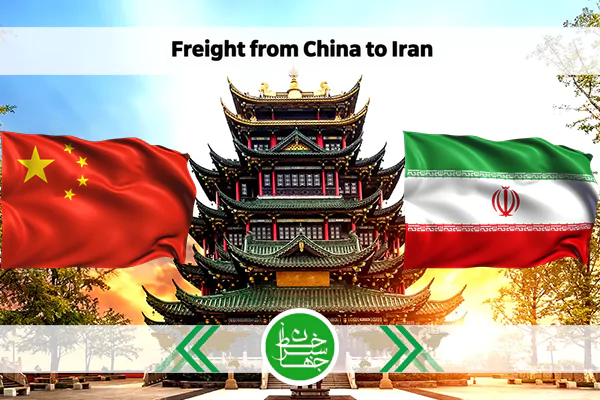
This article takes about eight minutes to read. In addition to explaining how freight services from China to Iran are provided, it offers guidance from the perspective of an international transport company to help prevent potential problems during shipping from China.
- Successful Shipments from China to Iran with World Green Line International Transport Company
- What Are the Shipping Options from China to Iran?
- Request a Freight Quote from China
- What Are the Steps for Shipping from China to Iran?
- How Long Does Shipping from China to Iran Take?
- How Much Does Freight from China to Iran Cost?
- Which Chinese Cities Are Major Freight Origins for Iran?
- What Challenges Can Arise When Shipping from China to Iran?
- Shipping from China with World Green Line International Transport Company
- Frequently Asked Questions About Freight from China to Iran
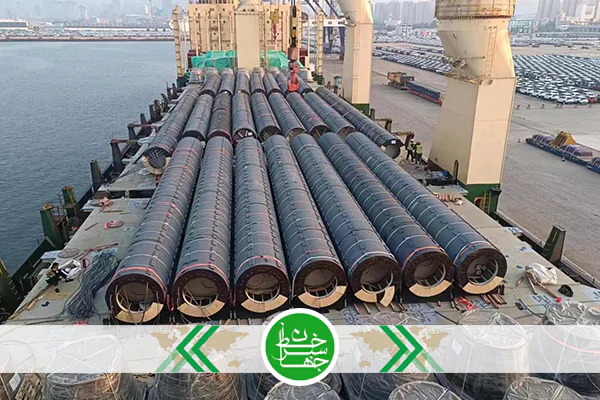
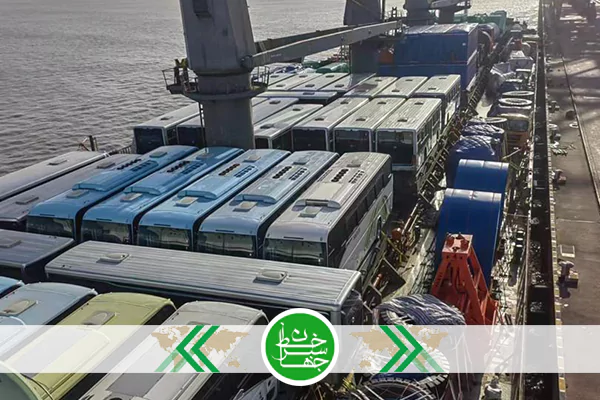
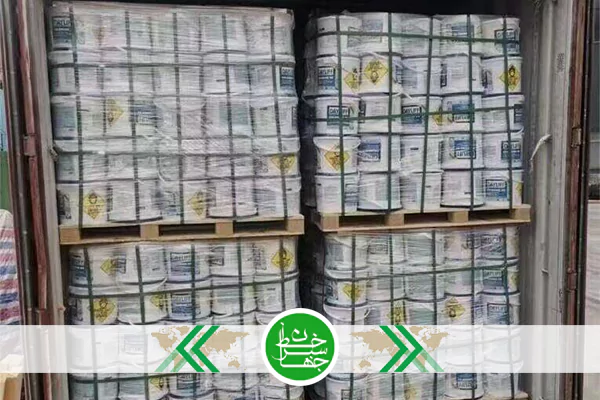
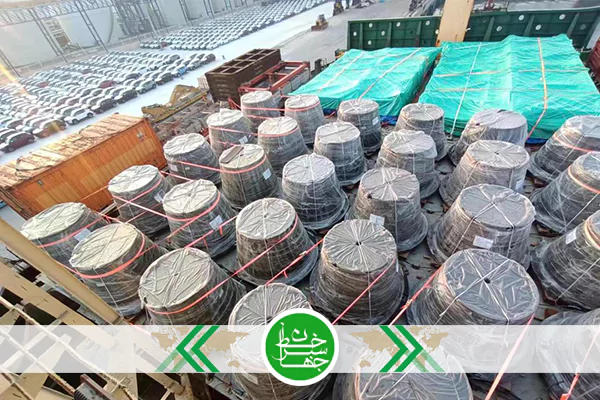
Successful China-to-Iran Freight Projects with World Green Line International Transport Company
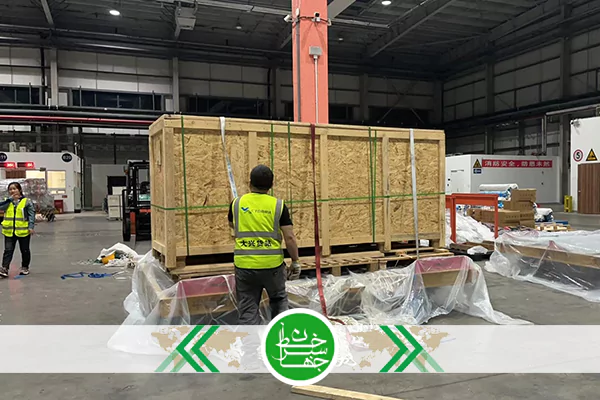
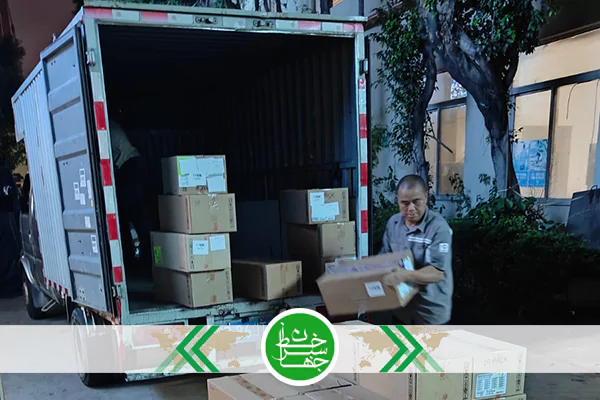
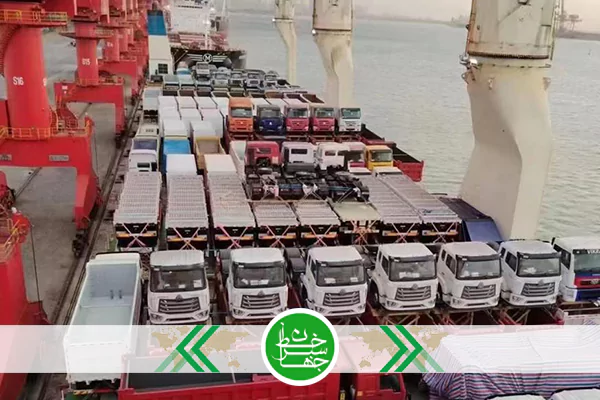
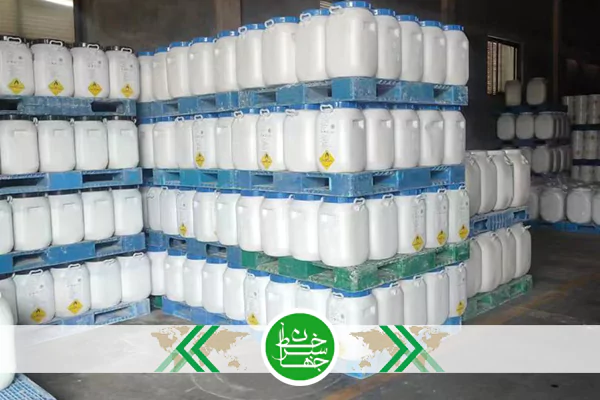
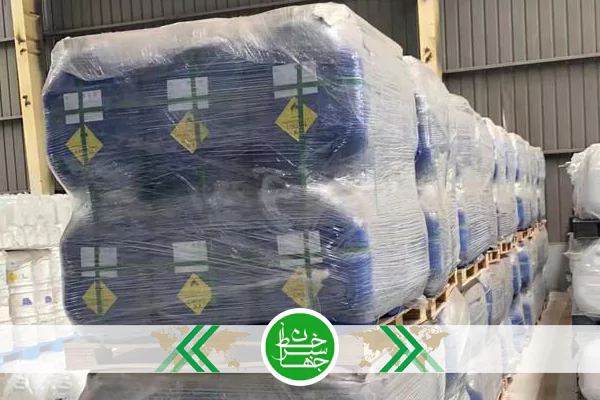
What are the shipping options from China to Iran?
There are several ways to ship freight from China to Iran. The right option depends on the type of goods, your budget, your schedule and other shipment factors. Given the range of options, we recommend contacting World Green Line’s international transport specialists before shipping so they can help you choose the best mode.
Shipping method | Speed | Cost | Cargo type | Advantages | Disadvantages |
|---|---|---|---|---|---|
| Road | Moderate (38 to 40 days) | Moderate | Commercial, industrial and heavy cargo | Faster transit than sea freight and lower cost than air freight | Depends on border conditions, transit formalities in several countries and restrictions on some roads |
| Air | Fast (5 to 10 days) | High | Sensitive, lightweight and valuable goods | Fast and secure | High cost and weight and size limits |
| Sea | Slow (20 to 45 days) | Low | Bulky and heavy cargo | Economical and suitable for high volumes | Long transit time and a need for careful planning |
| Container | Moderate to slow (20 to 45 days) | Moderate to low | Bulky and commercial cargo | Secure and cost-effective for large shipments | Long transit time and a need for loading and unloading |
| LCL | Moderate (10 to 30 days) | Moderate | Small and lightweight cargo | Ship small loads at lower cost | Slower than air freight and restrictions on some goods |
| Via Dubai | Fast to moderate (5 to 20 days) | Variable | All types of cargo | Busy route and several transport options | Costs vary by transport method and customs restrictions |
- Road:
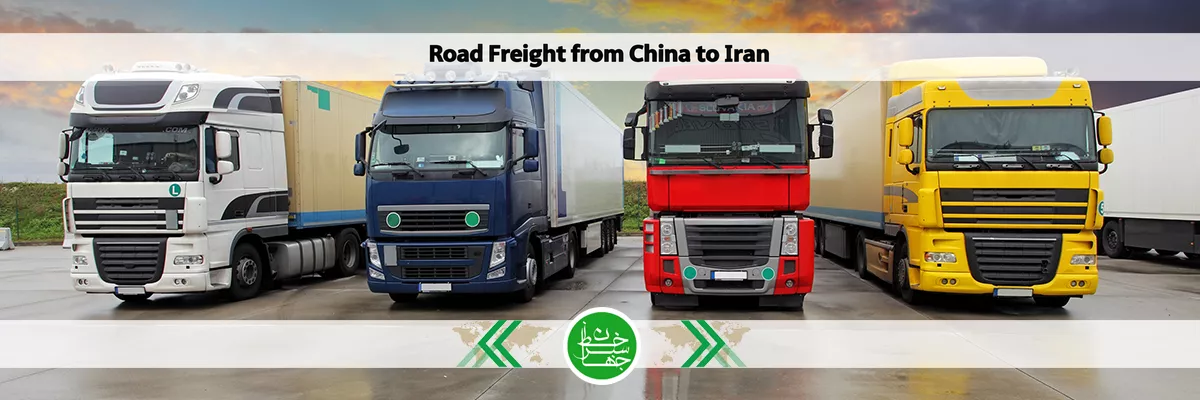
Road freight from China to Iran is currently the smartest way to navigate disruptions, sharp price swings and security challenges on sea and air routes. This road service runs through the strategic Khorgos and Bishkek corridor and offers a stable, secure and economical option for imports. Through its dedicated warehouse in Shanghai, World Green Line handles shipments directly, without intermediaries, and brings them from the Chinese exit border to Iran’s official borders in just 7 to 10 days.
- Air:
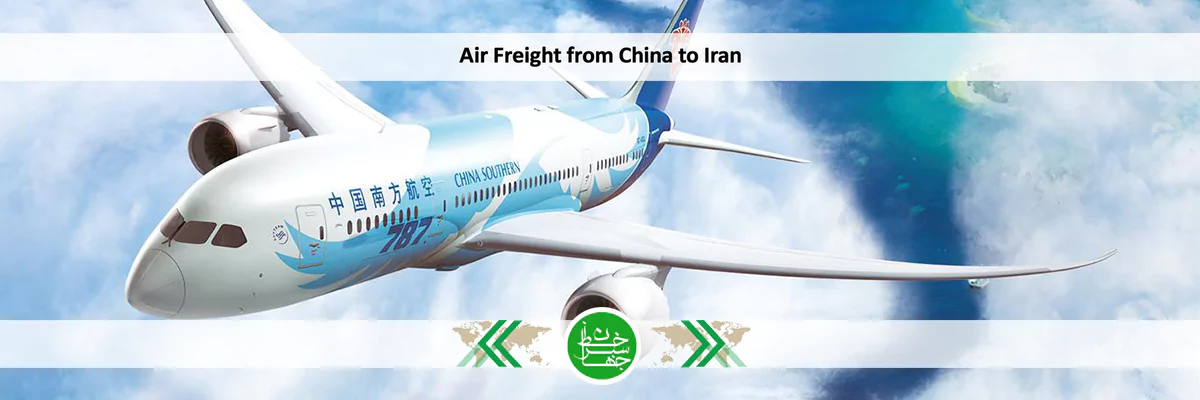
Air freight from China to Iran is considered the fastest and safest option for this route, but it also has limitations. For example, some goods cannot be transported by air.
Air freight costs more than ocean or road freight.
- Ocean:
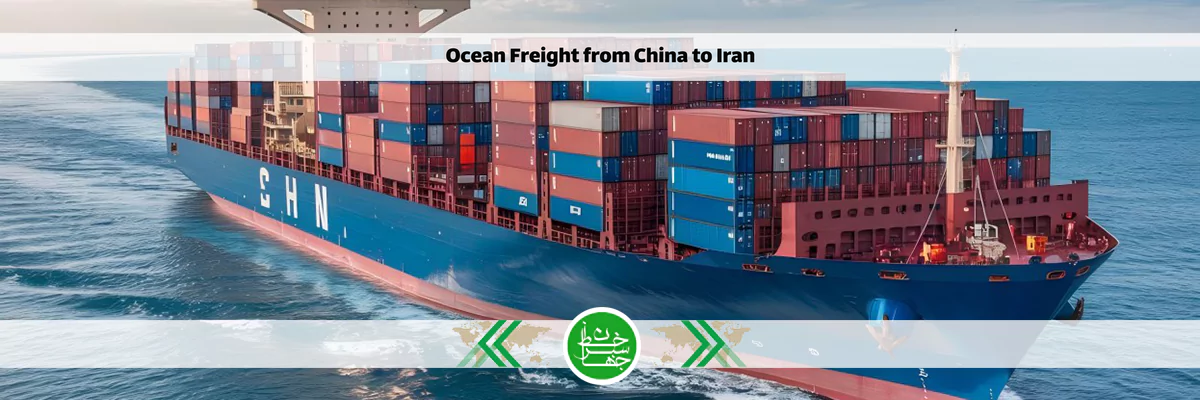
Ocean freight from China to Iran is one of the most common options and is suitable for bulky and heavy goods. It costs less than air freight but takes longer because of the distance and the handling required to discharge cargo at different ports.
Bushehr, Khorramshahr, Bandar Abbas, Bandar Lengeh and Mahshahr are among the main Iranian destinations for shipments from China. Bandar Abbas and Bushehr are generally more suitable in terms of clearance cost, speed and convenience.
- Container:
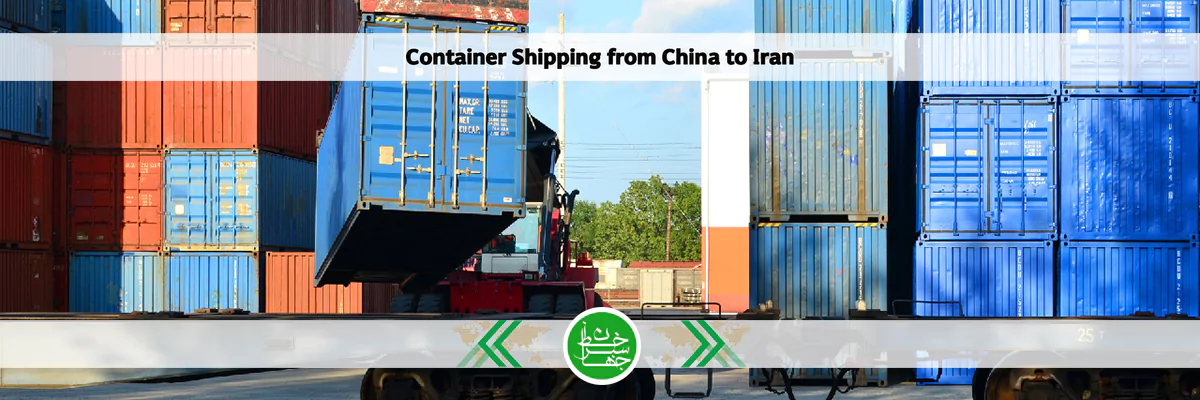
Container shipping from China to Iran is another option, carried out by sea on container ships. If your cargo volume is enough to fill an entire container, you can use a full container load (FCL).
The freight forwarder or shipper loads and arranges the cargo in the container. Choose a shipper that can get your cargo to its destination safely and in good condition.
- Less than container load:
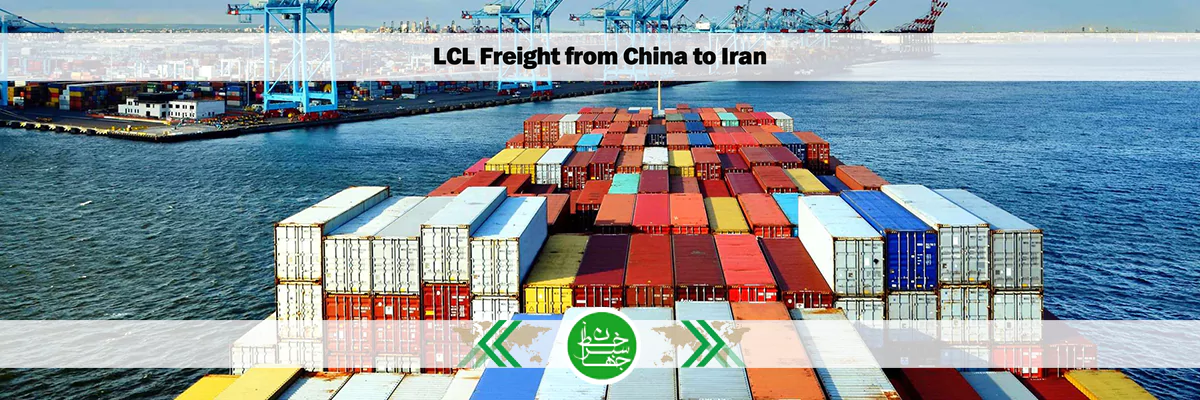
LCL freight from China to Iran is one of the most popular shipping options for merchants and businesses with small or varied shipments. It can reduce transport costs because there is no need to pay for an entire container.
Less than container load (LCL) is used when you do not need a whole container. Your consignment shares the container with other shipments.
- Via Dubai:
Freight from China to Dubai is one of the most common and popular international trade routes used for shipping from China to Iran. China and the United Arab Emirates have strong trade ties and have signed numerous agreements to facilitate trade and investment.
Dubai has made importing easier with advanced customs and logistics infrastructure. Its logistics companies have extensive experience managing shipments from China.
Many air and ocean carriers serve this busy route between China and the UAE. Competition has brought transport costs down. Ocean freight is particularly economical for heavy and bulky goods.

Request a Freight Quote from China
Request a freight quote from China at any time of day. Enter your shipment details and our sales team will respond as soon as possible during the working week.
World Green Line uses digital communication to make requesting a freight quote from China easier, save you time and give you access to a 3% discount on orders placed online.
If you need help using the freight quote system, contact our support specialists.
"*" indicates required fields
What are the steps for shipping from China to Iran?
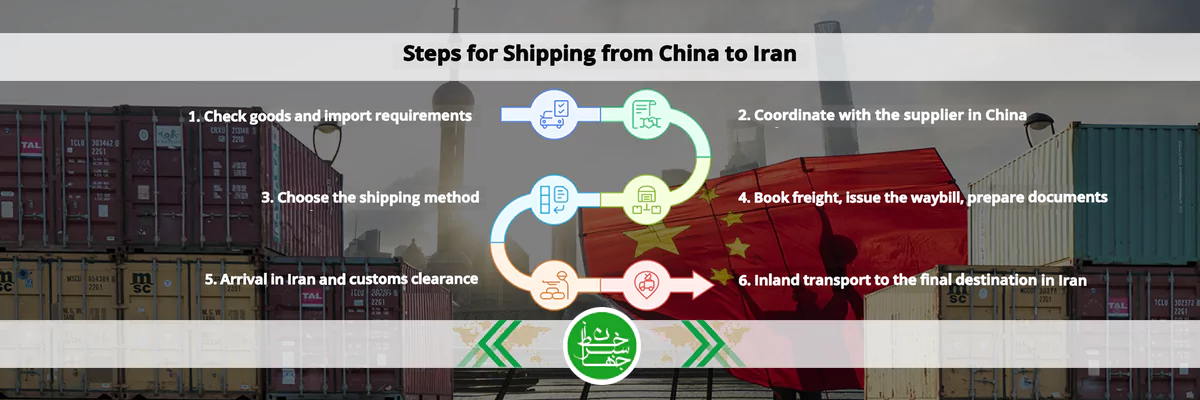
Shipping freight from China to Iran is a process with several stages, from coordinating with the Chinese supplier through clearing the goods with Iranian customs. Experienced importers distinguish themselves by understanding each stage in detail and managing it properly.
World Green Line is an established international transport company with experience on the China–Iran route. We know the challenges, requirements and key considerations. The following practical, step-by-step explanation covers the entire process so you can import your goods from China into Iran confidently, quickly and at a reasonable cost.
Step 1. Check the type of goods and the import requirements
First, establish whether your goods are commercial or personal.
- A valid commercial card is required for commercial imports.
- If you do not hold a commercial card, you can use the services of a company with a valid card or a licensed customs broker.
Next, check the legal import status of the goods in Iran. Iranian customs rules classify goods into three groups:
- Permitted
- Conditional
- Prohibited
Some imports require a permit from an authority such as the Ministry of Industry, Mine and Trade, the Food and Drug Administration, or the national standards authority.
| Classification of goods by Iranian customs | |||
|---|---|---|---|
| Type of goods | Description | Permit required | Examples of issuing authorities |
| Permitted | No special restrictions | No | - |
| Conditional | Import requires a permit | Yes | Ministry of Industry, Mine and Trade, Food and Drug Administration, or standards authority |
| Prohibited | Import is prohibited | - | - |
Step 2. Coordinate with the supplier in China
Negotiate with the Chinese supplier and obtain a pro forma invoice. This preliminary document includes:
- Detailed product information, including the HS code
- Quantity, weight and volume
- Price
- Payment terms
- Delivery terms (Incoterms)
Agreeing on the Incoterm is essential for China–Iran shipments because it determines costs and responsibilities:
- EXW: The seller makes the goods available at the factory. The buyer handles the transport arrangements.
- FOB: The seller delivers at the Chinese port and pays the domestic transport costs in China.
- CFR/CIF: The seller covers freight to the Iranian port. The buyer handles clearance and inland transport in Iran.
| Common Incoterms for imports from China | |||
|---|---|---|---|
| Incoterm | Seller’s responsibility | Buyer’s responsibility | Brief description |
| EXW | Make goods available at the factory | Arrange all transport and clearance | Least responsibility for the seller |
| FOB | Deliver to the port in China and pay for domestic transport in China | Arrange international transport and clearance | Most common method |
| CFR/CIF | Pay for transport to the Iranian port | Arrange clearance and inland transport in Iran | Suitable for first-time buyers |
Step 3. Choose the shipping method from China
The right option depends on weight, volume, urgency and budget.
Road freight
- Suitable for a range of commercial goods, full truckloads (FTL) and less-than-truckload shipments (LTL).
- Transit time: 25 to 30 days.
- Origin: Chinese warehouses and exit crossings such as Khorgos.
- Destination: Iranian entry customs points such as Sarakhs, Incheh Borun and Lotfabad.
Air freight
- Suitable for compact, high-value and urgent goods.
- Transit time: approximately five to seven working days.
- Origin: Beijing, Shanghai, Guangzhou and Shenzhen airports.
- Destination: Imam Khomeini International Airport.
Ocean freight
- An economical option for bulky and heavy cargo.
- Transit time: 25 to 45 days, depending on the port of origin.
- Chinese ports: Guangzhou, Shenzhen, Shanghai and Ningbo.
- Destination: Bandar Abbas.
Combined transport
- Goods are sent to a third country such as the UAE before onward transport to Iran.
- This option may be used to reduce costs or address route restrictions.
Comparison of freight methods from China | ||||
|---|---|---|---|---|
| Shipping method | Suitable for | Approximate transit time | Origin | Destination |
| Road | Commercial shipments, full containers and LCL cargo | 25 to 30 days | Warehouses and outbound Chinese crossings such as Khorgos | Iranian entry customs points such as Sarakhs, Incheh Borun and Lotfabad |
| Air | Small, valuable and urgent shipments | About 5 to 7 working days | Airports in Beijing, Shanghai, Guangzhou and Shenzhen | Imam Khomeini Airport |
| Sea | Bulky and heavy cargo | 25 to 45 days, depending on departure port | Ports in Guangzhou, Shenzhen, Shanghai or Ningbo | Bandar Abbas |
| Combined | Reducing costs or routing around restrictions | Variable | China via a third country | Iran |
At this stage, choose a reputable international transport company to coordinate and manage the shipment from China to Iran by air, ocean or road. The process includes:
- Booking space on a ship or aircraft, or assigning a suitable truck.
- Issuing the international transport document appropriate to the mode, such as an air waybill, a bill of lading, or road documentation such as a CMR or TIR carnet.
- Arranging valid transit insurance and tracking the consignment continuously to its destination.
Documents prepared or coordinated at this stage include:
- Transport document (waybill, bill of lading or CMR): The official document records the shipment. The original Persian text also refers to proof of ownership, which depends on the type of document.
- Commercial invoice: The supplier prepares it and states the value for customs calculations and clearance.
- Packing list: The supplier provides details of the weight, dimensions and packaging.
- Certificate of origin: Prepared by the supplier or the chamber of commerce at origin, it confirms the country of manufacture.
- Certificate of inspection (COI): Issued before loading when required by customs or agreed between the parties, it confirms the cargo’s quality and specifications.
| Documents required for import | ||||
|---|---|---|---|---|
| Document | Prepared by | Main purpose | ||
| Waybill or bill of lading | Transport company | Proof of shipment | ||
| Commercial invoice | Seller | Customs clearance | ||
| Packing list | Seller | Packaging details | ||
| Certificate of origin | Seller | Declares the country of manufacture | ||
| Inspection certificate | Inspection company | Where legally required | ||
Step 5. Arrival in Iran and customs clearance
The goods enter an Iranian customs facility after reaching the border or entry point. Examples include Imam Khomeini Airport for air freight, Bandar Abbas for ocean freight, and road entry and transit terminals such as Sarakhs, Bazargan and West Tehran Customs. Clearance then begins. It involves the following legal steps, some of which may need to be completed months in advance:
- Register the order in the National Trade Single Window. The Persian reference calls for this before dispatch and arrival, so the importer can obtain permission after foreign exchange is allocated. Confirm the applicable process before release.
- Submit the customs documents for assessment. Customs officers compare the ocean or air transport document or road CMR, commercial invoice, packing list, certificate of origin and order-registration documents.
- Obtain statutory and agency approvals. Standards, health, quarantine or other approvals may be needed before arrival or at declaration.
- Unload, store and inspect the goods. Cargo may be stored at a customs warehouse and physically inspected for consistency with the declaration.
- Calculate and pay applicable import duties and charges, including customs duty, commercial profit duty and VAT.
- Complete final formalities and obtain the clearance permit. Obtain the warehouse documents and reload the goods for dispatch to the buyer’s warehouse.
| Customs clearance stages | ||||
|---|---|---|---|---|
| Stage | Brief description | Approximate timing | Responsible party | |
| Order registration | Register in the Comprehensive Trade System and obtain currency allocation | Several months before arrival | Importer | |
| Submit documents | Waybill or bill of lading, invoice, packing list and other documents | On arrival | Importer | |
| Obtain permits | From the relevant authorities | Before or when declaring the goods | Importer | |
| Physical inspection | Customs inspects the goods | Several days | Customs | |
| Pay duties | Import duties and taxes | At the same time | Importer | |
| Clearance certificate | Authorisation to release the goods | End of the process | Customs | |
Step 6. Inland transport to the final destination in Iran
After customs clearance, a truck carries the goods to your destination in Iran, such as Tehran, Isfahan or Mashhad. You receive the shipment at your warehouse, store or factory.
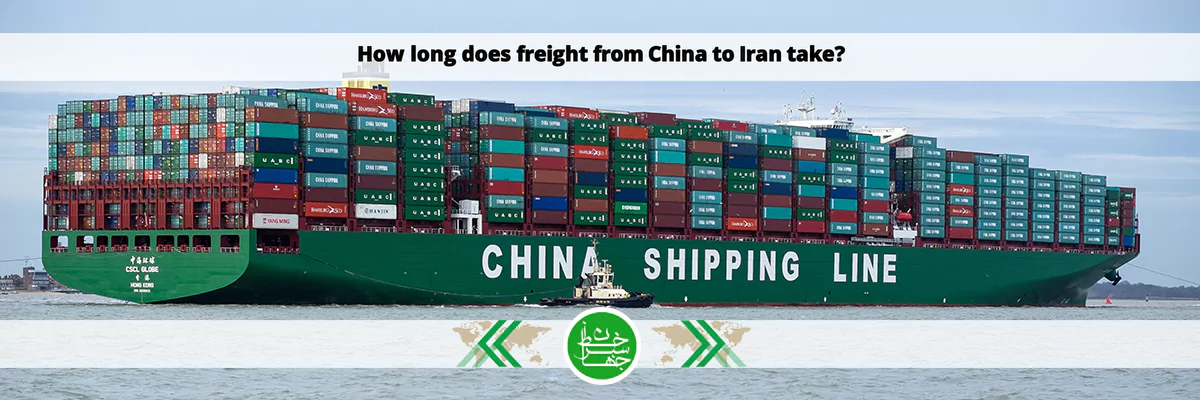
How long does freight from China to Iran take?
Transit time from China to Iran depends on several factors. For a precise estimate, contact World Green Line’s sales specialists. They can assess the shipment’s weight, dimensions, characteristics, transport mode and pickup address.
As a general guide, the Persian reference gives about one week by air, about 40 days by ocean and 25 to 30 days by road.

1 week
Air freight transit time from China to Iran

40 days
Sea freight transit time from China to Iran

25–30 days
Road freight transit time from China to Iran
What affects the transit time from China to Iran?
- Budget:
High-value, low-weight goods, such as PLC boards, are shipped from China to Iran by air. Air transport naturally reduces transit time. After completing customs formalities at origin in two to three days, you can hand your shipment over to the airline. If flights are not fully booked, you can collect it at Imam Khomeini Airport in under three days, or roughly one week in total including the time spent at origin. Courier or postal shipping can also save time at clearance.
For goods that need faster transit than sea freight at a lower cost than air freight, such as industrial parts, electrical equipment, production lines and medium-heavy commercial shipments, road freight by truck is the best option. The goods are loaded at origin or at a warehouse and, after transit formalities, delivered through land border customs points in 15 to 25 working days. This is ideal for traders who need to keep their supply chains moving faster without the high cost of air freight.
By contrast, for cargo with low intrinsic value relative to its weight and size, such as a container of lumber, sea freight by full container or groupage saves on shipping costs. Sending the container to the loading site takes at least one to two days, depending on the location of the shipping line’s depot and the loading site. After customs and port formalities in China, it takes another one to two days to hand the shipment over to the line. The voyage from the Chinese port of departure to Bandar Abbas takes about 35 days. After the ship berths, allow about a week to receive the paperwork: two to three days to unload the ship and three to four to obtain the delivery order and warehouse receipt from the shipping line. Many factors can prolong sea freight from China to Iran, and this represents the best-case schedule.
- Shipment weight and dimensions:
World Green Line International Transport Company ships goods from China to Iran by three main methods: air, sea and road (truck). Since rail is not a focus, this section covers the three active and practical methods listed above.
No airline provides regular dedicated freighter service on this air route. If you need to charter a cargo flight, World Green Line has the resources and capability to provide this specialist service.
Weight limits: Each package is subject to limits. For example, airlines such as Mahan can carry items ranging from a document envelope to a package weighing up to 2,450 kg. Foreign airlines may be used for packages over 3,000 kg. World Green Line also manages heavy projects weighing 20 to 40 tonnes made up of multiple packages under one waybill. Direct air freight for a single package over 4,000 kg is not possible, and keeping each package under 2,450 kg is preferable. If a package exceeds the weight or size limits, road freight by bogie or flatbed trailer and sea freight are the main alternatives.
Dimension limits: Air cargo dimensions are governed by the aircraft’s loading opening. For example, the maximum loading height on a passenger aircraft is 1.63 m. On an A330-200, the front and rear deck doors measure 270 × 167 cm, while the bulk deck opening is 107 × 94 cm.
Road freight in the transport network: If the shipment is too large or heavy for standard air freight, but prompt delivery still matters and sea freight takes too long, World Green Line offers road transit by truck as the best logistics option.
- Nature of the shipment:
Depending on the nature and sensitivity of the goods, you can choose air, road or sea freight from China. The legal and safety restrictions on air freight are considerably stricter.
For example, under international aviation rules (IATA), goods in many of the nine dangerous goods classes (DG), even when light and within size limits, cannot travel on passenger or cargo aircraft because of the risks. In these circumstances, the transport method must change.
In the past, when air transport was prohibited, traders had to switch to sea freight, extending delivery from one week to around 40 days. Freighter charters are also not always available because of airline restrictions. World Green Line’s road transit service now provides an alternative. It can carry specialist and industrial goods safely under international transit standards and keep delivery to about 15 to 25 days, helping avoid tying up capital and interrupting production lines.
- Loading address:
For air, sea or road freight from China to Iran, the location of the seller’s factory or warehouse has a decisive effect on total time and cost. The supplier may be in an inland province or a less developed area, far from airports with flights to Iran, international departure ports or land transit terminals.
A factory may also be in a hard-to-reach area, making it difficult for local trucks to collect cargo and take it to the main port or airport. Or a seller might be in Beijing, but for documentation, customs or cost reasons the shipment must leave from Guangzhou in the south or from western Chinese export terminals such as Ürümqi or Kashgar for road freight.
In such cases, managing road pickup and the road logistics network is especially important: domestic transport across this vast industrial country can add two to six days to total transit time. World Green Line has an extensive local transport network in China and manages collection across the provinces and transfer to air, sea or road departure points as one process.
- Loading date:
Have you ever planned a trip just before Nowruz only to find that tickets were fully booked for weeks? The problem is a mismatch between supply and demand in peak periods. The same thing happens when booking transit trucks and arranging domestic freight from Bandar Abbas or border customs points to Tehran.
If you ask your supplier to prepare your shipment sooner, check the official Chinese calendar and holidays. When order preparation coincides with national holidays such as Chinese New Year or Golden Week, the logistics chain can be disrupted:
Will there be a local truck to carry the goods to the airport, port or transit terminal?
Will outbound border crossings and international road freight fleets be congested or delayed?
Are flights fully booked, and can ships accept new cargo?
Public holidays in China can affect air, sea and road freight and significantly increase transit times.
- Shipment documents:
In parts of the world, restrictions on Iranian traders mean that many goods are not sold to Iran. As a result, traders must pay considerably more and wait longer to move their shipments to Iran.
If a shipment cannot be sent directly to Iran, an intermediary in a third country must make the purchase on the Iranian trader’s behalf, and the shipment must enter Iran via that country. This takes additional time and affects the overall transit time from China to Iran.
How much does freight from China to Iran cost?
The cost of shipping freight from China to Iran has varied in recent years, both in foreign currency and in Iranian rials, due to political and social developments and inflation. For this reason, no definitive fixed rate can be given.
In summer 1404 (2025), the average air freight rate from China to Iran for a 100 kg shipment was USD 7.20 per kilogram, and the average sea freight rate was USD 1,900 per 20-foot container. For the reasons above, these figures cannot be used as the basis for a current shipment from China:
Air freight rates from China | 45 kg and above | 100 kg and above | 300 kg and above | 500 kg and above | 1,000 kg and above |
|---|---|---|---|---|---|
| Air freight from China to Iran per kilogram (USD), excluding local charges and the waybill fee | USD 11.50 per kg | USD 8.90 per kg | USD 8.70 per kg | USD 8.40 per kg | USD 8.20 per kg |
| FOB rate per 20-foot container from China to Iran in Aban 1405 (October–November 2026) | USD 15,500 |
| FOB rate per 40-foot container from China to Iran in Aban 1405 (October–November 2026) | USD 16,700 |
| FOB sea freight rate per CBM from China to Iran in Aban 1405 (October–November 2026) | USD 400 |
For less-than-container-load (LCL) shipments, the cost in US dollars per cubic metre (CBM) falls considerably as the shipment volume increases. For example, a 1 CBM shipment costs USD 160, while a 2 CBM shipment costs USD 210.
For the latest freight rates from China, contact the sales team at World Green Line International Transport Company or fill in the freight quote form.
How is the cost of freight from China calculated?
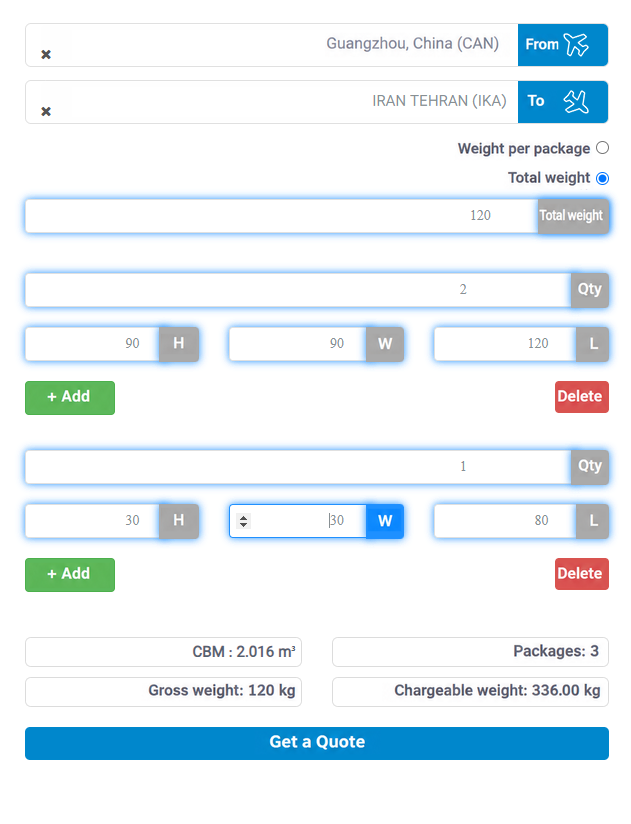
For air freight from China to Iran, the weight and dimensions determine whether actual or volumetric weight applies. The airline uses the actual weight if it is higher, or the volumetric weight if that is higher. Here is an example of how air freight from China to Iran is calculated:
Your packing list shows a total weight of 120 kg: two packages measuring 90 × 90 × 120 cm and one measuring 30 × 30 × 80 cm. First calculate the volumetric weight and compare it with the actual weight. The higher figure is multiplied by the air freight rate.
For the first package size, 120 × 90 × 90 = 972,000. Dividing by 6,000 gives 162 kg. There are two packages of this size, so 162 × 2 gives 324 kg.
For the second package size, 80 × 30 × 30 = 72,000. Dividing by 6,000 gives 12 kg.
Adding 324 kg and 12 kg gives a total weight of 336 kg.
The actual weight recorded on the seller’s scale was 120 kg.
Use 336 kg as the chargeable weight and multiply it by the airline’s quoted rate to determine the air freight charge from China.
Suppose the air freight rate is USD 5.88 per kilogram. Then 336 × 5.99 = 1,975.68, and the freight charge is USD 1,975.00. This is not the final air freight cost: the agreement with the seller, the nature of the goods, the contract terms, pickup charges and customs formalities, among other factors, can add USD 180 to USD 1,500.
For sea freight from China to Iran, the shipper first declares the shipment volume in cubic metres (CBM). Once the quantity and dimensions are known, choose either a full container load or a consolidated shipment. If the shipment is below the size and weight limits for a 20-foot container, it should be sent as a consolidated shipment. If it matches the standard size and weight of a 20- or 40-foot container, it should be sent as a full container load.
Road freight from China is usually calculated using the net weight of the shipment and the loading metres (LDM).
What affects the cost of shipping from China to Iran?
The cost of shipping freight from China to Iran depends on a number of factors and must be determined in light of the circumstances. Among the most important are the type of goods and the company responsible for transporting them. These factors are examined in more detail below:
- Exchange rate:
Exchange rates fluctuate considerably in Iran, so use the latest rate when importing goods from China.
- Timing:
A shipment may coincide with holidays or other special occasions, which can drive up freight costs from China. Take timing into account.
- International transport method:
Each transport method has its own advantages and disadvantages. The right method depends on the volume, weight and value of the cargo and when you need it to arrive.
Sea freight is the cheapest international option but takes longer. The cost depends on the vessel, route and volume of cargo.
Air freight costs more but is faster. It is generally suitable for lightweight, valuable shipments.
Road freight uses trucks and is well suited to shorter distances near the Iranian border, but depends on road conditions and border traffic.
- Shipment volume and weight:
Freight costs from China are directly related to the shipment’s volume and weight. The greater either is, the higher the freight cost. Charges are usually based on volume (cubic metres) or weight (kilograms or tonnes).
- Loading location and final destination:
The distance between the origin and destination, delivery time, and the cost of transport from the port or airport to the final destination all affect the cost. Longer distances mean more fuel, time and wear on equipment, which increases the freight cost.
- Type of goods:
Some goods cost more to transport because they are sensitive, valuable or require special handling, such as food, medicines and perishables. This reflects the risks of transporting them.
- Customs and clearance charges:
Charges incurred during customs processing and clearance, including documentation fees, duties and taxes, affect the cost of freight from China.
- Packaging and protection:
If the shipment requires special packaging to avoid damage or protect it from the weather, packaging and protection can increase freight costs.
- Market conditions and demand:
Freight costs from China can vary with economic conditions and market demand. Rates can rise in peak seasons or during global crises such as pandemics or economic downturns.
- Delivery time and speed:
Some international transport companies offer faster delivery options, which naturally cost more. For example, faster delivery by air is more expensive than delivery by sea.
Because of these factors, the cost of shipping from China can vary. Contact the World Green Line team for a free consultation to review precise rates and the available services.

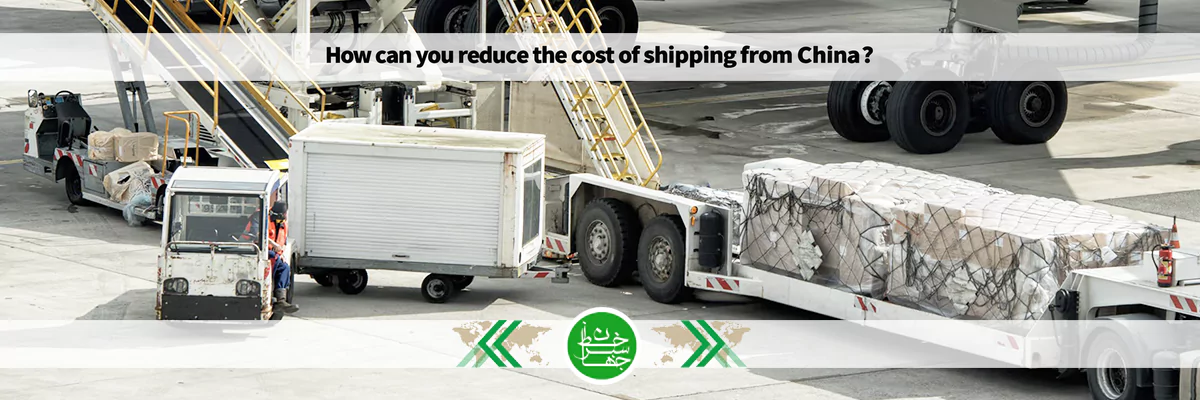
How can you reduce the cost of shipping from China?
- Review freight and clearance costs:
If you plan to source and import a product from China, first consider the freight cost. After reviewing the freight and clearance charges, decide whether it is economical to import the goods.
- Separate goods for packing:
If you are importing goods from China for an important contract or a factory production line, discuss the packaging with the seller first. Ask the seller to separate the goods according to your requirements, international standards and your company’s standards before packing them.
For example, if you want to airfreight a screw compressor system, pack its components separately, including the water cooling system, pumps, bearing block, piping and valves, so that each package meets the weight and size limits of Iranian airlines. For sea freight, check the dimensions and weight of each package so that no special crane is needed.
Contact World Green Line for guidance before shipping from China to Iran. Choosing the right approach can cut costs and improve your chances of using the method you prefer.
- Packaging method:
Ask the shipper how the goods will be packed, request photos and give your feedback. Sometimes shippers use a great deal of protective cushioning even when the finished product may not need that much. You can ask the seller to use a different type of cushioning or less of it. A seller may also put a damaged packing pallet on another pallet, increasing the freight cost.
Bear in mind that asking the seller to reduce cushioning or omit a pallet to cut the freight cost can result in damage to the goods.
- Request freight quotes:
Ask several companies for quotes. Base freight prices are usually similar across international transport companies. Companies may charge a fee for their services or provide additional or specialist services. If one company quotes a very low rate, ask what accounts for the difference. Is it directly responsible for carrying the shipment? Does it directly represent the airline or shipping line? Does it intend to transport the shipment by an unconventional method?
- Consolidated and groupage shipping:
If your shipment can be consolidated with other air freight, use air consolidation or send it by sea as groupage to lower the cost of shipping from China.
- Timing your imports from China:
Where possible, import at times when you can avoid peak-season freight rates. Some shipping projects do not allow this flexibility. For others, placing orders early or postponing them can help control freight costs.
Which Chinese cities are important for shipping to Iran?
China is the world’s largest exporter, and each of its major cities has distinctive transport infrastructure, locally produced goods and access to international ports and airports. Below are the main cities for shipping freight from China:
- Shenzhen, a global technology and electronics hub:
Shenzhen is a leading global technology centre known as China’s Silicon Valley. It is a major producer of electronic components, mobile phones, laptops, circuit boards and smart devices.
Shipments from Shenzhen usually travel by air or sea. Lightweight, valuable goods such as chipsets, phones and laptops fly from Shenzhen International Airport (SZX) to Imam Khomeini Airport in Tehran. Bulky and wholesale shipments travel by sea from Yantian to Bandar Abbas or Shahid Rajaee Port.
Shenzhen has numerous free trade zone (FTZ) warehouses for storage and consolidation.
- Guangzhou, a wholesale trade hub:
Guangzhou is one of China’s major wholesale markets, particularly for clothing, bags and footwear, appliances, automotive parts and construction materials. The famous Canton Fair takes place here each year.
Air and sea are common freight options. Baiyun International Airport (CAN) is one of China’s busiest cargo airports and has direct cargo flights to Iran. LCL and FCL shipments from Nansha are common, serving the Persian Gulf and Iranian ports. Moving freight from Guangzhou to Hong Kong and onward to Iran by air or sea is also a cost-effective option.
Guangzhou offers bonded warehouses that can help reduce customs costs when shipping from China.
- Shanghai, the world’s largest container port:
Shanghai is home to one of the world’s largest ports and is a major Chinese industrial and commercial centre for exports of industrial goods, machinery, raw materials, medical equipment and vehicles. It has the world’s largest container port, the Port of Shanghai.
Freight from Shanghai generally moves by air or sea. Industrial and commercial cargo can fly from Pudong International Airport (PVG). The high-capacity Port of Shanghai is the best option for heavy and bulky sea freight. More than 45% of China’s maritime exports pass through it.
Warehousing in Shanghai is expensive, so consolidation warehouses are recommended. Shanghai also has strong freight forwarding services that can help reduce shipping costs.
- Ningbo, a Chinese sea export centre:
Ningbo is an important port city in Zhejiang Province and a major export centre for plastics, synthetic fibres, auto parts and small electronics.
Ningbo-Zhoushan is China’s second-largest port. Exporters often prefer it for sea freight because it costs less than Shanghai. Air freight is less common, but sensitive goods can be shipped from Ningbo Lishe Airport (NGB).
We recommend container shipping from Ningbo for its speed and low cost.
City | Export goods | Shipping methods | Key infrastructure | Main competitive advantages |
|---|---|---|---|---|
| Shenzhen | Electronic components and smart devices | Air and sea | Yantian Port, international airport and proximity to Hong Kong | Chinese technology hub, well suited to importing electronic equipment |
| Guangzhou | Clothing, appliances, automotive parts and building materials | Sea and air | Nansha Port, international airport and the Canton Fair | Major wholesale market with a wide range of goods and connections to other cities |
| Shanghai | Industrial goods, machinery and raw materials | Sea and air | Port of Shanghai, the world’s largest, and Pudong Airport (PVG) | East China logistics hub with fast access and modern infrastructure |
| Ningbo | Plastic products and synthetic fibres | Sea (specialised) | Ningbo-Zhoushan Port | One of China’s busiest ports, specialising in high-capacity industrial exports |
What are the challenges of shipping from China to Iran?
Shipping from China to Iran can pose challenges because of the distance, differences in laws and trade practices, and international conditions. The main challenges are outlined below:
Customs and clearance complexities:
- Clearance delays: Goods can remain at customs for a long time if documents are incomplete or Iranian customs rules are not followed.
- Unfamiliarity with customs tariffs: Incomplete knowledge of duties or an incorrect tariff classification (HS code) can increase shipping costs.
- Special permits: Certain goods, including medicines, food and specialist equipment, require permits that can complicate clearance.
International restrictions:
- Payment difficulties: International restrictions make it difficult to transfer funds from Iran to China. Many traders use currency exchanges or financial intermediaries to pay freight charges.
Hidden costs and exchange rate fluctuations:
- Hidden costs: Customs storage, cargo insurance or unexpected transport charges can increase freight costs.
- Exchange rate fluctuations: Ongoing changes in exchange rates can sharply increase shipping and import costs.
Long transit times:
- Sea freight: Shipping from China by sea generally takes 20 to 40 days and can take longer during holidays or port congestion.
- Road freight: Border delays or transit problems in countries such as Kazakhstan, Turkmenistan or Pakistan can extend shipping times.
Order discrepancies and poor packaging:
- Goods do not match the order: Goods sent from China may not meet the order specifications, especially if there was insufficient oversight before shipment.
- Inadequate packaging: Poor packing can damage goods, particularly in sea or road transport.
Logistics and domestic transport issues:
- Congestion at Iranian ports: High import volumes may delay unloading and transport at ports such as Bandar Abbas.
- Domestic fleet limits: There may be limits on transporting the goods to different parts of Iran after arrival.
Choosing the wrong freight company:
- Unreliable companies: Working with unprofessional or unreliable freight forwarders can result in lost goods or extra charges.
- Lack of transparency: Some international transport companies do not clearly disclose their freight charges and demand additional payments at the end of the shipment.
Changing regulations:
- Frequent changes in Iranian import rules or new restrictions can complicate shipping and clearance.
Inadequate insurance and low security:
- Inadequate insurance: Unsuitable cover can lead to substantial losses if goods are damaged or lost.
- Theft or damage: Road freight and some higher-risk routes carry a risk of theft or damage.
Holidays and time differences:
- Chinese New Year: During this holiday, usually in January or February, many factories and transport companies in China close and shipments can be delayed.
- Time difference between Iran and China: The difference can make it harder to coordinate with sellers and carriers.
What does World Green Line recommend to reduce shipping problems from China?
- Work with reputable international transport companies: You can work with World Green Line International Transport Company, which has extensive experience shipping from China to Iran.
- Complete the paperwork: Make sure the required documents, such as the commercial invoice, waybill and permits, are complete and consistent.
- Use cargo insurance: Obtain suitable cover to protect your goods during shipping from China to Iran.
- Plan your timing: Schedule shipments around holidays in China and Iran.
- Inspect before shipping: Check the quality of the goods and their packaging before they leave China.
- Follow up regularly: Track the shipment at every stage from China to Iran.
Shipping from China to Iran with World Green Line International Transport Company
Shipping from China to Iran is relatively straightforward because reputable international transport companies operate in both countries and there are numerous flight and sea schedules from airports and ports. Without planning around your budget and timing, however, this seemingly simple process can have serious consequences for your business. Before taking any action to ship from China to Iran, consider the following:
Find out the approximate weight and dimensions of your shipment before placing an order with the seller.
Ask the seller for a packing list when obtaining the pro forma invoice.
Verify the loading address.
Specify the terms of your contract using the Incoterms rules.
Check the Chinese and Iranian calendars and holidays before placing your order.
Calculate the chargeable weight if you plan to ship by air.
World Green Line International Transport Company is one of the most active companies shipping commercial cargo from China. Years of trust from leading Iranian manufacturing, service and trading companies have earned it a place among established importers. That reputation and the volume of cargo we handle allow WGL to offer high-quality shipping services from China at competitive rates. Our motto is to offer shipping services that match your budget and the requirements of your shipment.
Call now for a competitive quote:
Frequently Asked Questions About Freight from China to Iran
Common options include air freight, sea freight (full container or LCL), road freight and shipping via Dubai. The right option depends on your goods, budget and schedule.
Total shipping time combines operations within China, including pickup and export formalities, with international transit. Consider these ranges when planning cash flow and market timing:
- Air: Direct routes such as Mahan take one to two days in transit; connecting routes such as Qatar Airways or Emirates take about three to five days. In peak periods such as before the Gregorian or Chinese New Year, cargo may be offloaded, which can double the time.
- Road: Road freight takes around 38 to 40 working days and offers a balance between speed and cost. Congestion at border customs points, multi-country crossing procedures and weather on transit routes can affect schedules.
- Sea: Direct services from major ports to Bandar Abbas take about 25 to 30 days; indirect services with a stop and transshipment at Jebel Ali take around 35 to 45 days. With FOB, the timing is measured from loading on the vessel. With EXW, allow for domestic pickup in China too.
- Courier and express: Reputable companies with dedicated flights deliver in seven to ten days. Be cautious with unofficial consolidators: they may hold cargo until a full pallet reaches its target weight, unexpectedly extending delivery to 40 days.
The right method is a trade-off between time and cost. We advise traders using chargeable weight and supply chain requirements:
- Air freight: For shipments under 150 kg, such as electronic components or samples, air freight makes sense because it helps you turn over capital quickly and reduces the time goods sit in inventory.
- Road freight: For commercial cargo, medium-heavy shipments or production lines of moderate volume, road freight is the best option if you need faster delivery than sea freight without paying air freight rates. It keeps average costs in check and protects margins on processing and sales.
- Sea freight: For very bulky and heavy cargo from industrial ports such as Shanghai, Ningbo and Qingdao, sea freight can cut total logistics costs by up to 70% compared with air freight and protect margins on wholesale purchases.
The price depends on the shipping method (air, sea or road), weight and volume, origin and destination, insurance and additional services. To get an accurate estimate, fill in the freight quote form or contact the World Green Line team.
Many traders look only at the freight rate, but FOB charges at ports such as Ningbo or Shanghai can come as a surprise. On our China freight page, we provide a clear breakdown of pickup, warehousing in China and document issuance charges, so you know the actual landed cost at your warehouse in Iran.
This is one of the biggest challenges traders face in China. Through our dedicated warehouse network in major commercial hubs, including Yiwu for general goods, Guangzhou for clothing and equipment, and Shenzhen for electronic components, we consolidate goods from different suppliers. You pay one charge instead of several separate handling and domestic shipping fees in China. Our team at origin inspects and, if needed, repacks the goods to make the most of container or air pallet space and reduce the risk of damage.
Door-to-door shipping appeals to traders without a commercial card or those who prefer to avoid the currency allocation process. Our expertise is in importing goods lawfully through available customs procedures, such as simplified customs clearance or passenger baggage clearance for eligible goods, to help customers avoid later problems related to enforcement or smuggling.
Direct service contracts with reputable shipping lines and airlines give us guaranteed space. Even in the busiest periods, our reputation at departure ports gives our customers’ cargo loading priority and helps keep it from being held at intermediate ports such as Jebel Ali.
Branded cargo refers here to goods that are not made in China and whose export has not been authorised for the exporter by the party in the country of manufacture. For example, a Chinese company may want to ship Siemens products without Siemens’ permission. The products may even have been made without Siemens’ knowledge and marked with its name by the Chinese manufacturer, which is a form of counterfeiting.
The airline charges a magnet inspection fee to examine goods that contain magnets in their components.
Before shipping from China, if you are unsure about the nature of the goods, ask the seller for the material safety data sheet (MSDS) and read Section 14.
If the export paperwork is complete and no issues arise, the time for customs and pickup at origin depends on the shipping method:
- Air: It takes about one to three working days from pickup to handover to the airline.
- Road: Loading at the seller’s warehouse or factory, domestic transport to origin customs terminals, and issuing transit documents such as the CMR take around ten working days.
- Sea: Sending the container to the seller’s loading site, completing port formalities and handing it over to the shipping line take about two to four working days.
It takes two to three days, depending on the airline. An expedited receipt can be issued in one day.
It takes two to seven days from issuance of the arrival notice, depending on the shipping line.
It costs USD 70 to USD 150, depending on the agent at origin.
It costs USD 80 to USD 200, depending on the goods and the customs office at origin.
Light shipments must be sent by courier, with freight roughly 20% higher, depending on weight. For heavier shipments, the brand licence fee starts at USD 200.

Consultation and Freight Quote
The specialist team at World Green Line International Transport Company can provide international freight quotes.


