


World Green Line helps businesses plan ocean freight shipments to Iran. We compare full-container and shared-container options based on cargo volume, loading needs and your delivery schedule.
Send the origin and destination, package dimensions, gross weight and cargo-ready date so we can check the route and prepare a quote for the services you need.
- When ocean freight makes sense
- Ocean freight overview in Persian
- Get an ocean freight quote
- What affects your ocean freight cost?
- What affects ocean transit time?
- Container and cargo options
- How vessel and equipment choices affect your shipment
- Plan for schedule and port changes
- Ocean freight routes
- Bills of lading and customs documents
- Plan your shipment with World Green Line
- Ocean freight FAQs
When ocean freight makes sense
Ocean freight is often a practical option for heavier or higher-volume cargo when the delivery schedule allows. We work through the route, equipment, handling and documentation before booking so you can compare the complete service.
Ocean freight overview in Persian
This Persian-language audio introduces ocean freight and the China–Iran route. The English guidance below explains your container options and quote requirements.
Get an ocean freight quote
Select ocean freight and include the cargo type, weight, dimensions, origin and destination. If you know the container size, ready date and agreed Incoterm, include those as well.
"*" indicates required fields
What affects your ocean freight cost?
Container or consolidation charges are one part of the total. Compare the freight rate with pickup, terminal handling, documentation and delivery charges. Confirm what the quote covers and which services are billed separately.
- For a full container, share the equipment size and loading plan.
- For shared container space, list the package count, dimensions and gross weight.
What affects ocean transit time?
The full timeline includes pickup, terminal cutoff, the voyage, any transshipment, unloading and clearance. Sailing schedules and space can change, and port congestion or incomplete documentation can add time.
Give us the date your cargo will be ready and your delivery target so we can compare suitable sailings and routing.

Container and cargo options
- Full container load (FCL): book a container for a single shipment when volume or loading needs justify dedicated space.
- Less than container load (LCL): book shared container space for smaller commercial shipments.
- Oversized or non-containerized cargo: share exact dimensions and lifting requirements so the team can check suitable equipment.
How vessel and equipment choices affect your shipment
Standard container services handle many commercial shipments. Refrigerated equipment, open-top or flat-rack containers and other vessel arrangements depend on the commodity and route. Confirm dimensions, handling constraints and any temperature requirements before booking.
Plan for schedule and port changes
Confirm the booking cutoff, cargo-ready date and documents before dispatching goods to the port. Ask which charges apply if a container is kept beyond the agreed free time, and agree who will handle pickup and return.

Ocean freight routes
China to Iran is one of the routes covered in our shipping guides. For a specific port pair, tell us the collection city and delivery address so we can compare options and confirm availability for your cargo.
Bills of lading and customs documents
The bill of lading identifies the shipment and the parties involved. Prepare an accurate commercial invoice, packing list and shipper and consignee details. Any permits, certificates or additional documents depend on the goods, route and service scope.
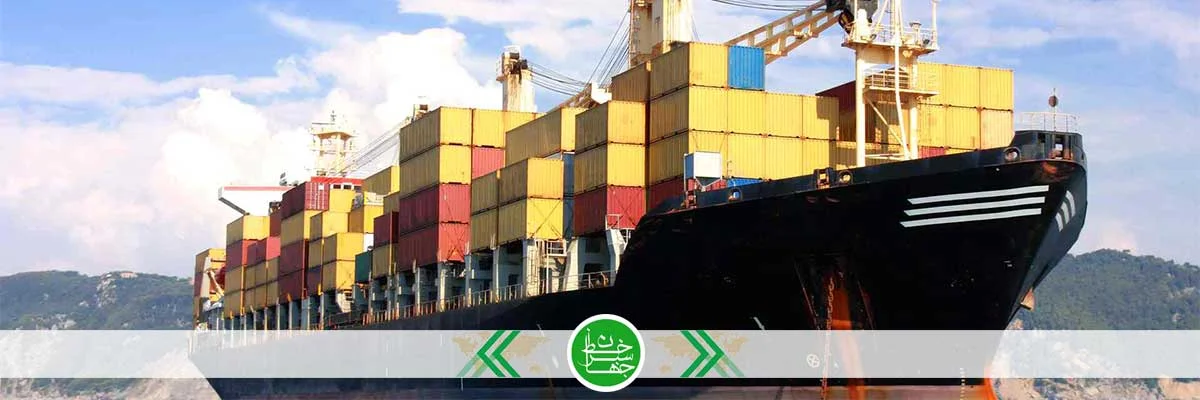
Plan your shipment with World Green Line
Share the cargo and route details with us and tell us whether you need a port-to-port quote or pickup and delivery as well. We can help you compare FCL and LCL for the same shipment.
Ocean freight FAQs
Compare the same route, cargo and service scope. Check which pickup, port, documentation and delivery charges are included.
FCL reserves a container for a shipment. LCL uses shared container space and typically adds consolidation and deconsolidation steps.
Cutoff dates, sailing schedules, transshipment, port handling and clearance all affect the total timeline.
Start with the commercial invoice, packing list and shipment details. The bill of lading and any additional documents depend on the cargo and route.
Send the cargo dimensions, weight and any lifting or temperature requirements. We can check equipment and route suitability.
Check the coverage, exclusions and limits before booking. Tell us the commodity and declared value if you would like to discuss insurance options.

Talk to our freight team
Ask about routing, handling and the information we need to prepare your quote.