


Shipping from South Korea to Iran is a key step in importing from one of Asia’s major manufacturing economies. Once you have chosen products for the Iranian market, plan how to move them safely and on time.
A reliable freight service helps protect the goods in transit and balance delivery time with cost. The right service depends on the cargo, the route and your delivery requirements.
World Green Line’s freight team coordinates shipments from South Korea to Iran. The Persian guide lists Seoul, Busan and Incheon as points of coordination. Confirm the pickup location and available service for your shipment.
For a current freight rate from South Korea to Iran, contact World Green Line or complete the freight quote form. Our team will follow up to confirm the shipment details.
- Request a Freight Quote from South Korea
- What Are the Shipping Options from South Korea to Iran?
- How Much Does Freight from South Korea to Iran Cost?
- Key South Korean Cities for Freight to Iran
- Importing Goods from South Korea
- What Challenges Affect Freight from South Korea to Iran?
- Freight from South Korea to Iran with World Green Line
- Frequently Asked Questions About Freight from South Korea to Iran
Request a Freight Quote from South Korea
Submit the shipment details online at any time. Our sales team will respond during business hours.
You can submit the shipment details using the online form. Ask the team about any discounts available for your booking.
Contact support if you need help using the quote form.
"*" indicates required fields
What Are the Shipping Options from South Korea to Iran?
Cargo can travel by air or sea, depending on its type, delivery deadline and budget. Air is usually faster for light, valuable or sensitive shipments. Ocean freight is generally more economical for bulky consignments.
Comparison of Freight Modes from South Korea to Iran | |||||
|---|---|---|---|---|---|
Mode | Transit time | Freight cost | Suitable cargo | Advantages | Limitations |
Air freight | Confirmed at booking based on flight and connection availability | Higher | Light, valuable or sensitive cargo such as medical equipment, electronics and urgent spare parts | Fast transit and reduced exposure to handling risks on suitable routes | Higher cost and weight or size limits |
Ocean freight | Confirmed at booking based on the sailing and any transfers | Lower | Large shipments such as raw materials, machinery and automotive parts | Lower unit cost and capacity for large shipments | Longer transit and limited suitability for urgent cargo |
Air Freight from South Korea to Iran
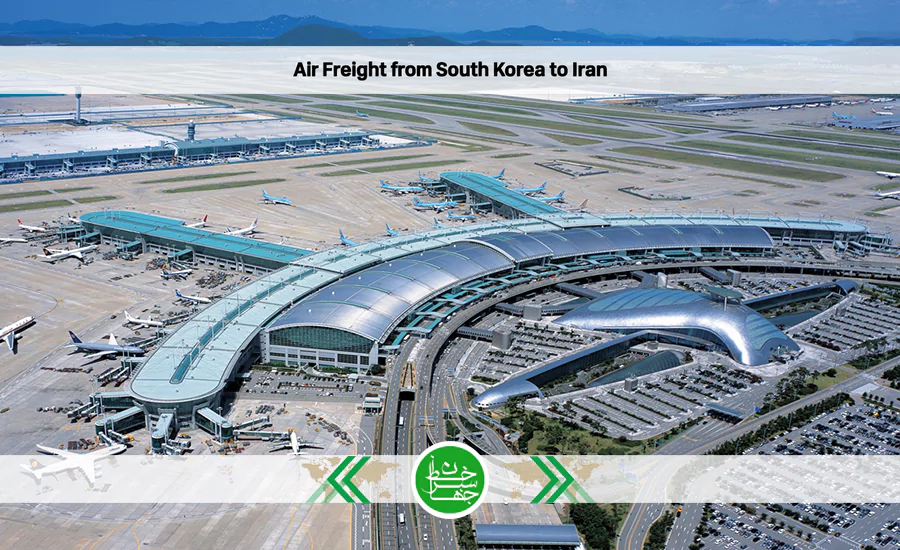
Air freight is the fastest option. Incheon is a principal departure gateway and Imam Khomeini International Airport serves Tehran, subject to the booked route.
- Conditions and challenges for air freight
Trade restrictions and airline availability affect this route. Freight may require a connection in Türkiye, Thailand or Qatar. Comparable routes include freight from Türkiye to Iran and air freight from China to Iran. Connections can add cost and time. For urgent or sensitive goods, air remains an option when the shipment is eligible and the carrier accepts it.
- Air freight transit time
Ask for an estimated airport-to-airport transit time once the airline confirms cargo acceptance and the itinerary. If you need door-to-door delivery, include pickup, customs clearance and final delivery in the estimate.
- How air freight is priced
Rates typically use chargeable weight, which is the greater of gross and volumetric weight. Packaging dimensions therefore affect the freight cost.
- Cargo accepted for air freight and restrictions
Electronics and medical equipment can often travel by air, subject to their classification. Chemicals, lithium batteries and other regulated goods may face restrictions or need specialist handling and approval.
- Air cargo clearance in Iran
After arrival at Imam Khomeini International Airport and issuance of the warehouse receipt, submit the cargo details through the applicable customs system. Customs reviews the declaration and assesses duties and charges. Documents may include the air waybill, invoice, packing list, order registration, certificate of origin and product-specific permits. Clearance time depends on the documents, inspections and permits required for the shipment. Goods are released after clearance.
- World Green Line air freight services
World Green Line can coordinate air-freight packaging, insurance, tracking and door-to-door delivery through its network. Confirm the scope, timing and charges for your shipment.
Main South Korean Airports for Air Freight to Iran
Comparison of South Korean Airports for Air Freight to Iran | |||||
|---|---|---|---|---|---|
Airport | IATA code | Location | Main role | Role in shipments to Iran | |
Incheon | ICN | Northwest South Korea, near Seoul | Main international cargo hub | Principal departure gateway for connecting cargo services to Iran | |
Gimpo | GMP | Seoul | Domestic and regional services complementing Incheon | Freight bound for Iran may be transferred to Incheon. | |
Gimhae (Busan) | PUS | Southeast South Korea, near the Port of Busan | Regional gateway for Busan and southern South Korea | Cargo may move to Incheon or through a connecting gateway. | |
Cheongju | CJJ | Central South Korea | Domestic and regional civil services and military use | Limited role in this route. Cargo may be transferred to Incheon. | |
Daegu | TAE | Southern South Korea | Regional cargo serving textiles, electronics and machinery | Cargo can connect through Incheon, depending on routing. | |
The departure airport affects cost, speed and handling. South Korea has several international airports, and the best gateway depends on the pickup location, available connections and the needs of the cargo.
- Incheon International Airport (ICN)
Incheon is South Korea’s main air cargo hub and serves the Seoul area. Its cargo terminals handle sensitive shipments such as pharmaceuticals, perishables and electronics. Confirm airline and cargo acceptance before booking.
- Gimpo International Airport (GMP)
Gimpo was Seoul’s main gateway before Incheon opened. Today it mainly serves domestic and regional flights, including some routes to Japan and China. Small cargo can move through Gimpo, with onward transfer to Incheon where the booked itinerary requires it.
- Gimhae International Airport (PUS)
Gimhae serves Busan and southeastern South Korea, with domestic, regional and international flights. Cargo sourced in the south may connect via Incheon or a suitable international hub. Confirm the actual connection before shipping.
- Cheongju International Airport (CJJ)
Cheongju is a civil and military airport in central South Korea. Its commercial services are primarily domestic and regional. Its role in freight to Iran is generally indirect.
- Daegu International Airport (TAE)
Daegu handles domestic and regional traffic and serves local textile, electronics and machinery industries. Iran-bound cargo can be transferred to Incheon for onward carriage.
Incheon is the principal gateway in this guide. The other airports can support collection and feeder movements, depending on where the cargo originates. Confirm the airline, connection and departure airport for the actual shipment.
Ocean Freight from South Korea to Iran
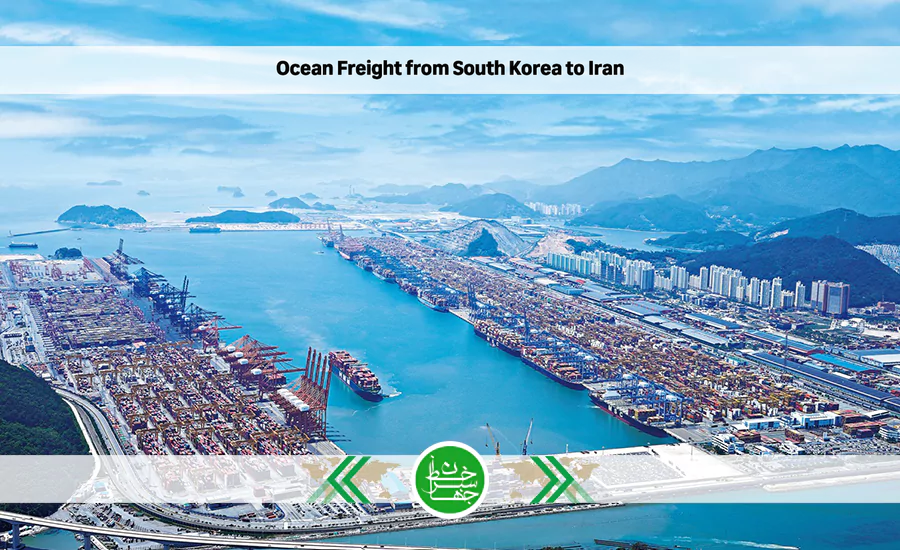
Ocean freight is often economical for heavy or bulky cargo and large consignments. Some regulated goods can travel by sea when correctly classified and accepted by the carrier. Ocean transit generally takes longer, so allow time for regular shipments and deliveries.
- Conditions and challenges for ocean freight
Sea freight requires more time and coordination of documents, particularly when transshipment is involved. Trade restrictions and carrier policies affect available services. Intermediate ports can also play a role in ocean freight from China to Iran. Choose a forwarder familiar with the route and confirm the permitted itinerary before booking.
- Ocean freight transit time
For shipments from Busan to Bandar Abbas, request the estimated port-to-port transit time for the available sailing. Transshipment, port congestion and handling can affect arrival. For LCL, ask about consolidation and deconsolidation time.
- How ocean freight is priced
Sea freight often costs less than air for large shipments. The rate depends on the equipment and cargo.
- Full container load (FCL): a dedicated container for one shipper’s goods.
- Less-than-container load (LCL): several shippers share a container. Charges typically depend on the cargo’s volume or weight.
Peak season, carrier selection and destination, such as Bandar Abbas or Bushehr, can affect cost. Booking early may improve available options.
- Cargo accepted for ocean freight and restrictions
Sea freight can accommodate a range of eligible shipments, including the following.
- Bulky goods such as steel products, industrial raw materials and large machine components.
- Large consignments of consumer goods such as appliances, clothing and electronic parts.
- Eligible dangerous goods such as chemicals, fuels and industrial batteries, subject to classification, applicable documentation and carrier approval.
- Ocean freight handling and safety
- Moisture: containers can be exposed to humidity on long voyages. Use packaging and desiccants appropriate for the cargo.
- Loading and unloading: suitable containers and experienced terminal operators help reduce damage.
- Delays: weather and port congestion can change the schedule.
- Ocean cargo clearance in Iran
After discharge at Bandar Abbas or another southern port, obtain the warehouse receipt and submit the customs declaration. The documents may include the bill of lading, invoice, packing list, order registration, certificate of origin and product-specific permits. Ask for a separate clearance estimate based on the commodity, documents and inspections required.
- Regular ocean shipments
Importers buying monthly or seasonally can plan recurring bookings. Confirm capacity, sailing dates and any volume terms with the carrier.
- World Green Line ocean freight services
World Green Line can coordinate the following services, according to the shipment and quote.
- Container booking and carrier coordination
- Cargo insurance for marine and transit risks
- Packaging for ocean transport
- Shipment tracking
- Door-to-door delivery from the supplier in South Korea to the warehouse in Iran
Main South Korean Ports for Ocean Freight to Iran
Comparison of South Korean Ports for Ocean Freight to Iran | |||||
|---|---|---|---|---|---|
Port | UN/LOCODE | Location | Typical cargo | Role in shipments to Iran | |
Busan | KRPUS | Southeast South Korea | Containers, bulk, vehicles and petrochemicals | Major departure gateway for shipments to Iran | |
Incheon | KRINC | Near Seoul | General and agricultural cargo | Alternative gateway, with onward transfer depending on the service | |
Ulsan | KRUSN | Southeast South Korea | Chemicals and petrochemicals | Specialist handling for eligible dangerous goods | |
Gwangyang | KRGWY | Southern South Korea | Steel, iron ore and coal | Major port for heavy industrial cargo | |
Pohang | KRKPO | Eastern South Korea | Steel and industrial raw materials | Serves steel and metals industries | |
Masan | KRSNK | Near Busan | Machinery and industrial equipment | Complementary gateway to Busan | |
Mokpo | KRMOK | Southwest South Korea | Agricultural and marine products | Limited role in freight to Iran | |
Port choice affects inland collection, shipping cost, handling and transit. The following ports serve different areas and types of cargo.
- Port of Busan (KRPUS)
Busan is South Korea’s principal container gateway. Its terminals handle containers, dry bulk, vehicles and petrochemicals. Machinery, electronics and consumer goods can also move through Busan, depending on the carrier and schedule.
- Port of Incheon (KRINC)
Incheon serves the Seoul area and handles general cargo and agricultural products. It can shorten inland collection for nearby suppliers. Cargo may connect through Busan or another transshipment port.
- Port of Ulsan (KRUSN)
Ulsan specialises in petroleum, chemicals and petrochemicals. Certain dangerous goods require a safety data sheet and other documents, plus carrier acceptance. It is an option for eligible industrial cargo.
- Port of Gwangyang (KRGWY)
Gwangyang is a major southern port serving steel and heavy industry. Cargo includes iron ore, coal, steel and industrial products. Consider it for bulky industrial shipments when the route is available.
- Port of Pohang (KRKPO)
Pohang serves the eastern steel-producing area. It handles steel and heavy industrial raw materials and may suit importers sourcing from nearby mills.
- Port of Masan
Masan complements Busan and handles machinery and industrial equipment. It can serve specialised loads or an alternative service when available.
- Port of Mokpo (KRMOK)
Mokpo serves southwestern South Korea and handles agricultural and marine products. Its role in Iran-bound freight is more limited, but it can be considered for eligible specialist cargo.
Choosing a port based on the supplier location, cargo type and available service can reduce inland costs and help avoid customs and handling delays.
How Much Does Freight from South Korea to Iran Cost?
Rates depend on the mode, commodity, weight, dimensions and transshipment route. Include insurance, storage at intermediate ports or airports, Iranian customs clearance and any product-specific approvals when estimating the total cost.
What to Include in a Freight Quote Request | ||||
|---|---|---|---|---|
Service | Details to provide | What to ask for | ||
Air freight | Cargo type, gross weight and package dimensions | Chargeable weight, rate, surcharges and estimated transit | ||
Ocean freight (FCL) | Origin and destination ports, container size and cargo weight | Rate per container, surcharges and sailing schedule | ||
Ocean freight (LCL) | Number of packages, total weight and volume (CBM) | Minimum charges, consolidation and estimated transit | ||
Door-to-door | Pickup and delivery addresses, cargo details and Incoterm | Which collection, clearance and delivery charges are included | ||
Key South Korean Cities for Freight to Iran
South Korean Cities and Freight Gateways to Iran | |||||
|---|---|---|---|---|---|
City | Main industries and goods | Common shipping mode to Iran | Main airport or port | ||
Seoul | Electronics, telecommunications equipment and cosmetics | Mainly air | Incheon and Gimpo airports | ||
Ulsan | Petrochemicals, shipbuilding, vehicles and steel | Mainly ocean | Port of Ulsan, near Busan | ||
Busan | Industrial machinery, vehicles, petrochemicals and electronic components | Ocean and air | Gimhae Airport and the Port of Busan | ||
Daegu | Textiles, clothing and fabrics | Ocean and air | Daegu Airport or the Port of Busan | ||
Gwangyang | Steel, heavy industry and industrial raw materials | Mainly ocean | Port of Gwangyang | ||
Pohang | Steel and industrial raw materials, including POSCO production | Ocean | Port of Pohang | ||
Gwangmyeong | Industrial equipment, consumer goods and warehousing | Ocean and air | Near Incheon Airport and Port | ||
Shipments originate in several South Korean cities, each with different industries and freight gateways. The following sections describe the main sourcing areas.
- Seoul
Seoul is the capital and a centre for technology, electronics, telecommunications and cosmetics. Major manufacturers and their offices operate across the wider Seoul region, including Seongnam and Suwon. For urgent or sensitive consignments, Incheon is a principal air gateway, with Gimpo supporting some regional movements.
- Ulsan
Ulsan is an industrial centre for heavy manufacturing, petrochemicals, shipbuilding, refining and vehicles. Exports include chemicals, petroleum products, steel and vehicles. Ocean freight is an option for eligible cargo, and dangerous goods may require an SDS and additional approvals.
- Busan
Busan is a major export gateway and South Korea’s principal container port. Machinery, vehicles, electronic parts, petrochemicals and consumer goods move through the area. Compare carrier and routing options for shipments to Iran.
- Daegu
Daegu is known for textiles, clothing and fabrics. Depending on the cargo and deadline, shipments can move by sea through Busan or by air via a suitable gateway such as Daegu or Incheon. Sea often suits routine textile orders, while air can suit urgent ones.
- Gwangyang
Gwangyang is a southern industrial city and port serving steel and heavy industry. It is a sourcing and freight gateway for steel and industrial materials.
- Pohang
Pohang is an eastern steel centre associated with POSCO. Steel and heavy raw materials can move by sea, with Bandar Abbas among the possible Iranian destinations.
- Gwangmyeong
Gwangmyeong is near Seoul and is served by the region’s manufacturing and distribution network. Industrial equipment and consumer goods can be collected here for onward shipment.
Importing Goods from South Korea
Products sourced from South Korea include electronics and digital equipment, cosmetics, vehicle parts, machinery, petrochemicals, chemicals, medical equipment and pharmaceutical products. Import eligibility depends on the actual commodity and applicable rules.
Some Korean goods can be competitively priced relative to European alternatives. Major ports such as Busan and Ulsan and air gateways such as Incheon support different shipping options.
Choose air for urgent or sensitive goods and compare sea options for bulky loads. Prepare the customs documents and obtain any required permits, particularly for regulated products such as medical devices and chemicals.
Manage costs and shipping schedules in advance and work with a forwarder experienced on the route.
What Challenges Affect Freight from South Korea to Iran?
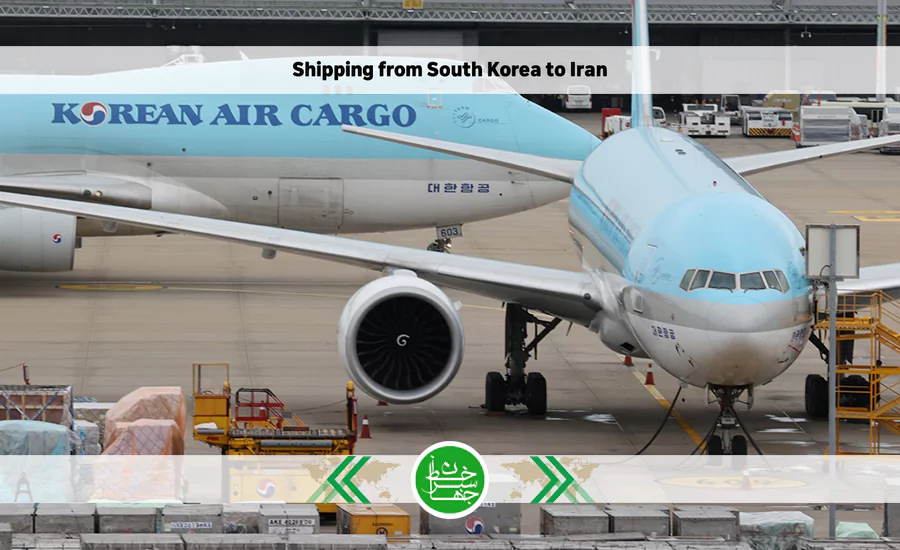
Trade restrictions can affect direct and connecting services. The source lists Jebel Ali and Mersin as examples of sea connections and Hong Kong, Doha and Istanbul as examples for air. Confirm the carrier’s permitted itinerary and the impact of connections on cost and time.
Electronics, cosmetics, food and other products can face import restrictions or permit requirements. Include insurance, storage, transshipment and possible delays in the estimate. A forwarder can help identify the applicable requirements before shipment.
Freight from South Korea to Iran with World Green Line
World Green Line coordinates collection, freight, clearance support and delivery through its network. Ask about the availability of local coordination and storage in Busan or Incheon for the shipment.
Call +98 21 8603 0397 or +98 21 8603 0308 to discuss routing, handling, transit and cost.
Frequently Asked Questions About Freight from South Korea to Iran
Provide the commercial invoice and packing list. Dangerous goods and medical products may require an SDS, a health certificate or other documents according to their classification and destination rules.
World Green Line can coordinate clearance support, subject to the cargo and agreed scope.
World Green Line can arrange LCL for smaller consignments where service is available. Sharing container capacity can help reduce cost.
The team can send email updates on collection, dispatch and clearance.
Ask about temporary storage in Busan or Incheon and confirm availability and charges before booking.
Air and ocean transit times depend on the confirmed itinerary and available space. Request an estimate with the quote and check whether it covers airport-to-airport or port-to-port transit, customs clearance and final delivery.
World Green Line can coordinate collection, freight and final delivery when included in the quote.
Call +98 21 8603 0397 or +98 21 8603 0308, or contact World Green Line via WhatsApp.

Consultation and Freight Quotes
World Green Line's specialists can help you obtain an international freight quote.


