


Road freight can be a stable, economical way to ship cargo from China to Iran when ocean and air services face security risks or sharp rate changes.
The service uses two overland corridors, Khorgos and Bishkek. They provide two routing options for commercial shipments with different supply-chain needs.
World Green Line draws on its experience and dedicated consolidation warehouse in Shanghai to collect cargo across China, consolidate it and manage dispatch through Khorgos or Bishkek directly.
Contact our team or complete the freight quote form for a road freight quote from China to Iran. We will prepare a shipment-specific quote for the Khorgos or Bishkek route you are considering.

- Request a Road Freight Quote from China
- Advantages of Road Freight from China to Iran
- Which Countries Does the Road Route from China to Iran Cross?
- How Are Road Freight Costs from China to Iran Calculated?
- How Long Does Road Freight from China to Iran Take?
- Road Freight from China to Iran with World Green Line International Transport Company
- Frequently Asked Questions About Road Freight from China to Iran
World Green Line Road Freight Projects from China to Iran
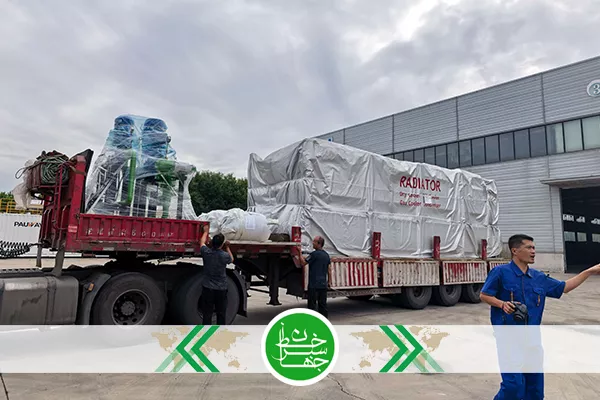
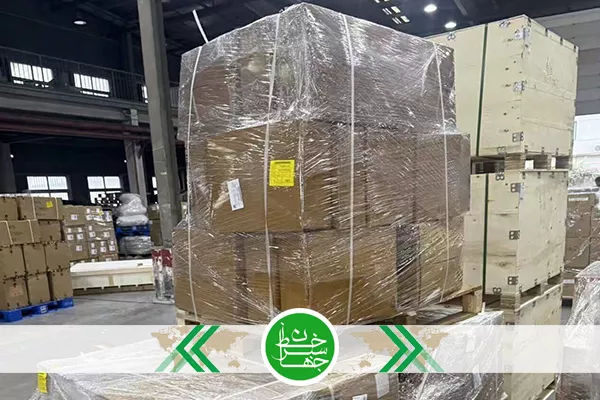
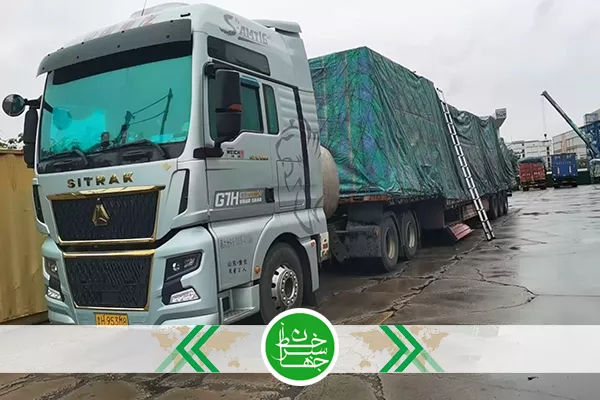
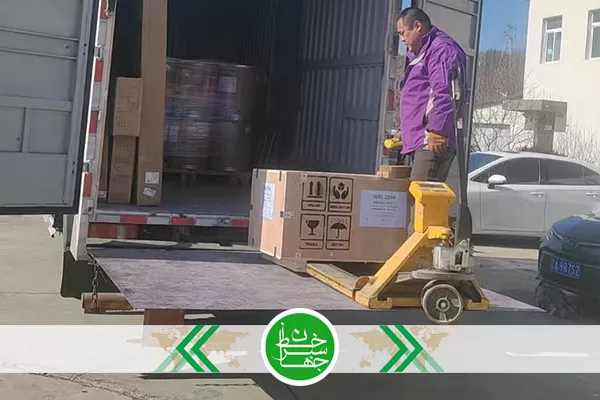
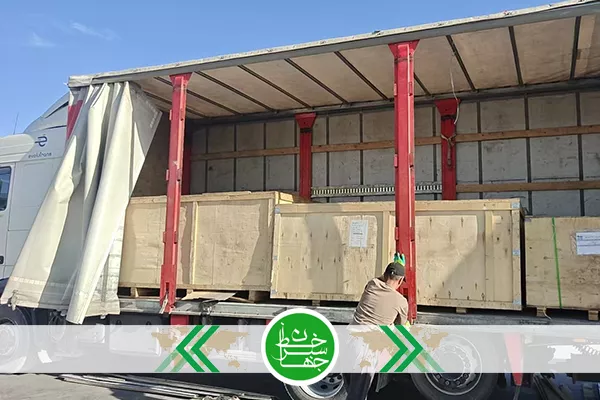
Request a Road Freight Quote from China
You can request a road freight quote from China at any time. If you are negotiating with Chinese suppliers or your cargo is ready to ship, send us your shipment details or packing list. Our team will get back to you promptly with a road freight quote and the available direct transit options.
You can also complete the freight quote form and our support team will contact you.
"*" indicates required fields
Advantages of Road Freight from China to Iran
Comparing Road, Ocean and Air Freight from China to Iran | |||
|---|---|---|---|
Comparison | Road Freight | Ocean Freight | Air Freight |
Reliability under regional conditions | Uses Central Asian corridors through Khorgos or Bishkek. It is relatively independent of ocean and air routes, but border and transit-country conditions still affect it. | Regional conditions can cause rerouting, port delays or security restrictions. | Airspace restrictions, flight changes or cancellations and limited capacity can affect service. |
Cost and rate stability | Usually costs more than ocean freight and less than air freight, balancing cost and time. | Usually the lowest-cost option for heavy, bulky cargo. Rates and local charges can fluctuate in some conditions. | Usually the most expensive option, particularly for heavy cargo. Suited to smaller, urgent shipments. |
Transit time | Usually faster than ocean freight. Timing depends on the corridor, the service type (LTL or FTL) and border conditions. | Usually the slowest option. Timing depends on vessel schedules and port conditions. | Usually the fastest option. Timing depends on flight schedules and available capacity. |
Cargo and service options | Less-than-truckload (LTL) and full truckload (FTL) services for medium and large commercial shipments. | LCL and FCL services for larger volumes, subject to consolidation timing and vessel schedules. | Suited to small, light or valuable shipments, subject to limits on dimensions, weight and cargo type. |
Pickup in China | Collection from cities across China and delivery to the Shanghai consolidation warehouse. | Depends on the major Chinese ports and coordination of inland transport to the departure port. | Depends on international airports and coordination of inland transport to the departure airport. |
Inventory and sales planning | Can be more predictable than ocean freight and suits businesses that need to balance time and cost. | Suits scheduled, non-urgent orders where potential delays can be accommodated. | Suits urgent, small shipments where higher costs are acceptable. |
Tracking and status updates | A dedicated specialist follows the shipment through departure from China, border crossings and arrival in Iran. | The shipping line or forwarder provides tracking and updates at major milestones. | The air waybill (AWB) usually provides detailed tracking. Changes depend on the airline. |
Regional disruptions, ocean-rate changes and air freight scheduling issues make road freight an important option for traders. It can help importers balance speed, security and cost as conditions change.
1. Faster than conventional ocean routes
Road freight from China to Iran can shorten transit compared with long ocean routes involving transshipment through intermediate ports. World Green Line manages the process in the following stages.
- Pickup and storage: We collect cargo from industrial cities in China and move it to our dedicated warehouses in Shanghai.
- Consolidation and dispatch: We consolidate cargo and dispatch it through the Khorgos or Bishkek corridor.
- Central Asian transit and entry into Iran: We plan border crossings to reduce waiting time, then arrange clearance and delivery in Iran.
2. Two corridors for greater flexibility (Bishkek and Khorgos)
When ocean and air routes face geopolitical risks and price changes, road freight can travel through Central Asia. World Green Line offers Bishkek as an alternative to Khorgos when the latter is congested or restricted. Two corridors give shippers more scheduling flexibility and can reduce the risk of prolonged delays. The final route depends on the cargo, current border conditions and the shipment schedule.
3. Collection across China from the supplier’s premises
Whether your supplier is in Shanghai, Shenzhen, Guangzhou, Yiwu, Ningbo or Foshan, World Green Line’s domestic logistics network collects cargo from the factory or warehouse, takes it to our Shanghai consolidation warehouse and dispatches it toward Iran through Khorgos or Bishkek.
These services suit EXW and FCA terms. If your supplier offers different terms, our team can advise on the arrangements.
4. Less-than-truckload (LTL) and full truckload (FTL)
We can arrange road freight from China to Iran based on your cargo volume, weight and budget.
- Less-than-truckload (LTL): Suitable for cargo that does not fill a truck. We consolidate it with other shipments and price it using the higher of actual weight and chargeable volumetric weight.
- Full truckload (FTL): A dedicated curtain-sided truck or a 20-foot or 40-foot container for large, heavy or bulky commercial shipments.
5. Tracking and shipment updates
A dedicated World Green Line specialist follows your shipment through Khorgos or Bishkek. You receive status updates and estimated arrival times at key milestones, including departure from China, transit-country crossings and entry at Sarakhs or Lotfabad.
6. Better inventory and sales planning
Road freight can provide more predictable schedules than ocean freight, which may face vessel delays or port congestion. This can help with raw material supply, stock levels, customer deliveries and sales planning. We provide an estimated delivery time before dispatch based on the corridor, origin and border conditions.
Which Countries Does the Road Route from China to Iran Cross?
Road Freight Routes from China to Iran | |||
|---|---|---|---|
Corridor | China Border Crossing | Operational Route | Main Use |
Khorgos Corridor | Khorgos–Nur Zholy | Urumqi–Khorgos–Almaty–Shymkent | FTL and groupage, with the highest commercial volume in the reference. |
Bishkek Corridor (Osh branch) | Irkeshtam | Kashgar–Irkeshtam–Sary-Tash–Osh | Preferred FTL option through Kyrgyzstan. |
Bishkek Corridor (Bishkek branch) | Torugart | Kashgar–Torugart–Naryn–Bishkek | Groupage and regional consolidation. |
Before choosing road freight from China to Iran, identify the transit countries and border crossings. Understanding the route helps you evaluate the security, reliability and practical arrangements for your shipment.
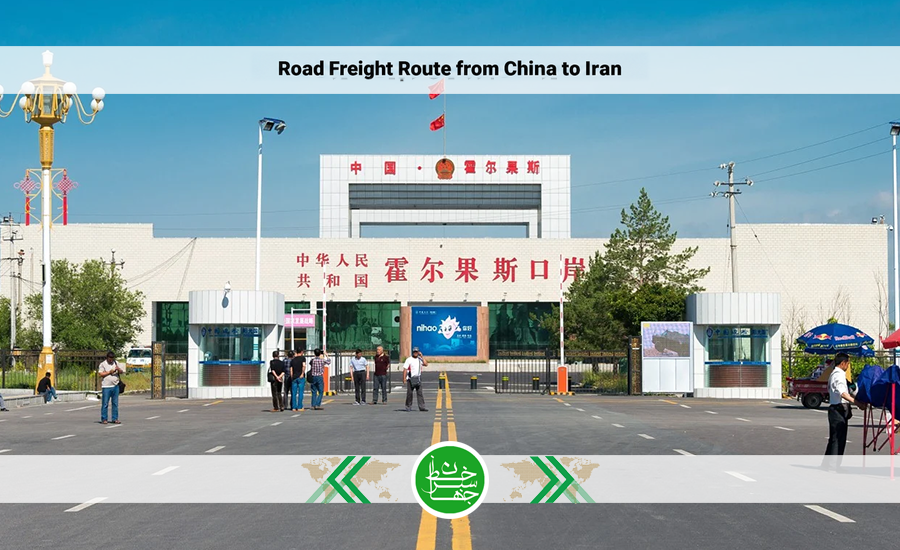
World Green Line uses two main corridors: Khorgos through Kazakhstan and Bishkek through Kyrgyzstan. Both start from logistics hubs in Xinjiang in western China. Routes continue through Uzbekistan and Turkmenistan before entering Iranian customs territory at Sarakhs, Bajgiran, Lotfabad or Incheh Borun.
1. Cargo pickup and consolidation in China
Cargo is collected from several major industrial hubs depending on where it is produced or stored.
- Southern China: Shenzhen and Guangzhou.
- Northern and eastern China: Beijing and Shanghai.
- Other industrial areas as required by the shipment.
Cargo is usually consolidated in Shanghai and sent to Xinjiang as FTL or groupage. This is an operating choice. Shipments originating in northern or western China can sometimes go directly to Xinjiang.
2. Xinjiang logistics hubs and the Khorgos–Bishkek split
Xinjiang is where the two corridors diverge. Cargo can pass through the following hubs.
- Urumqi: The central logistics hub for consolidation and scheduling departures toward the border.
- Khorgos: The gateway for the Kazakhstan route.
- Kashgar: The junction for the Kyrgyzstan route, with separate branches toward Osh and Bishkek.
3. Khorgos Corridor (China–Kazakhstan–Iran)
The Persian reference describes Khorgos as the highest-volume and most stable road crossing between China and Central Asia. Cargo moves from Urumqi to the Khorgos–Nur Zholy road crossing. The neighboring Khorgos Eastern Gate dry port mainly handles rail and container traffic.
Bilateral permit limits and a shortage of return cargo can require truck transloading or a cross-border shuttle. Cargo may transfer from a Chinese truck to a Kazakh, Uzbek or Turkmen truck.
- Operational route through Khorgos
Urumqi → Khorgos (China) → Nur Zholy (Kazakhstan) → Almaty → Shymkent → Uzbekistan → Turkmenistan → Iran
When a permitted truck is available, FTL cargo often continues without an Almaty stop. Groupage often stops there for reloading and reconsolidation.
4. Bishkek Corridor (China–Kyrgyzstan–Iran)
The Bishkek corridor branches at Kashgar into two distinct routes.
- Southern branch through Irkeshtam
The direct FTL option favored in the reference because it is closer to the corridor entering Uzbekistan.
Kashgar → Ulugqat → Irkeshtam → Sary-Tash → Osh → Uzbekistan → Turkmenistan → Iran
- Northern branch through Torugart
An option for groupage and for shipments whose warehouse or operating partner is in Bishkek.
Kashgar / Artux → Torugart → Naryn → Bishkek
From Bishkek, consolidated cargo can connect to the Almaty corridor through Kazakhstan or travel south through Kyrgyzstan toward Uzbekistan, depending on the transport plan.
5. Shared transit through Uzbekistan and Turkmenistan and entry into Iran
Both corridors can continue through Uzbekistan and Turkmenistan and use one of the following Iranian border crossings.
- Sarakhs (Razavi Khorasan): Main crossing with substantial customs capacity and a direct road connection to Mashhad.
- Bajgiran (Razavi Khorasan): On the Ashgabat–Quchan route.
- Lotfabad (Razavi Khorasan): An alternative depending on carrier permits.
- Incheh Borun (Golestan): Suited to destinations in northern and central Iran.
The final crossing depends on vehicle permits, cargo type, final destination and route cost.
How Are Road Freight Costs from China to Iran Calculated?
A clear road freight rate helps importers plan their supply chain. For World Green Line’s road service, the main pricing measures are net cargo weight and loading metres (LDM). The rate basis is different from air freight volumetric calculations or ocean LCL’s CBM basis and lets you estimate costs before confirming the purchase.
Road Freight Quotes from China to Iran | |||
|---|---|---|---|
Origin | Destination | Current Freight Charge | |
Shanghai | Sarakhs | Request a quote | |
Ningbo | Sarakhs | Request a quote | |
Taicang | Sarakhs | Request a quote | |
Nansha | Sarakhs | Request a quote | |
Tianjin | Sarakhs | Request a quote | |
Qingdao | Sarakhs | Request a quote | |
Factors Affecting Road Freight Costs from China to Iran
The final road freight rate depends on several factors that we review before dispatch.
- Cargo weight and volume: Charges use the higher of actual and volumetric chargeable weight where applicable.
- Origin and destination: The distance from the supplier’s premises to the Shanghai warehouse and the delivery city in Iran.
- Corridor and service: Khorgos or Bishkek, with less-than-truckload (LTL) or full truckload (FTL).
- Cargo type: Batteries, chemicals and dangerous goods may be restricted or require special arrangements. High-value goods may need additional insurance and security.
- Packaging: Palletization or repacking can protect the goods on the road and affect volume and cost.
- Stackability: Non-stackable cargo takes up more truck space and is generally priced by the space it occupies.
- Border and transit charges: Crossing and transit-country costs vary by corridor.
- Market conditions: Season, fleet capacity, border congestion, urgency, fuel prices and exchange rates.
Import duties, customs charges and clearance in Iran depend on the applicable rules and type of goods and are separate from freight. Send your cargo details for a precise quote.
How Long Does Road Freight from China to Iran Take?
Transit time depends on the pickup city, route, service type (LTL or FTL), border queues and the handover point. For a shipment-specific estimate, confirm which stages the quote covers.
- Pickup and transport within China: Collect the cargo and, if needed, consolidate it before moving to Khorgos or the Kyrgyz border.
- Border crossing: The wait varies with queues, opening hours, documents and vehicle permits.
- Arrival at the next hub: The first hub beyond the border depends on the crossing and route.
- Transfer or reload, if needed: Some services require a vehicle change or reconsolidation.
- Onward transport to Iran: The estimate to Sarakhs or another agreed crossing depends on the transit route. Iranian customs clearance and final delivery may add time.
Ask World Green Line for separate estimates to the agreed Iranian crossing and, where included, to your final delivery address.
Road Freight Transit Time from China to Iran | |||
|---|---|---|---|
Stage | Timing Depends On | ||
Pickup in China and movement to the exit border | Depends on pickup location and consolidation | ||
Waiting in the border queue | Depends on queues, documents and permits | ||
Arrival in the first city beyond the border (Osh, Bishkek or Nur Zholy) | Depends on the crossing and next hub | ||
Unloading and reloading onto an Iranian truck | Depends on service and transfer arrangements | ||
Transport to the Sarakhs crossing | Depends on route and border conditions | ||
Total | Request a shipment-specific estimate | ||
Factors Affecting Road Freight Transit Times from China
- Origin distance: How far the supplier’s factory is from the Chinese consolidation warehouse.
- Cargo preparation: Time for packaging, checking documents and preparing the shipment.
- Service type: Full truckload (FTL) is usually faster than less-than-truckload (LTL) because consolidation is unnecessary.
- Border conditions: Seasonal congestion and customs procedures in China, transit countries and Iran.
- Holidays and rules: Public holidays such as Chinese New Year and changes to border requirements.
- Weather: Mountain road conditions and seasonal cold.
Get a shipment-specific transit estimate
If timing matters for your business, send us your cargo details. World Green Line will estimate transit time based on cargo type, origin city and current border conditions. Contact us or fill out the freight quote form.

Why World Green Line?
Road freight from China to Iran is a practical option for importers seeking to reduce dependence on ocean and air services. World Green Line collects cargo from cities across China, consolidates it at its Shanghai warehouses and arranges transport through Khorgos or Bishkek.
A dedicated specialist follows your cargo from supplier handover to arrival in Iran. You receive updates on its status and estimated arrival.
For a quote and route recommendation, send your packing list, origin in China, cargo weight and volume. Our team will propose a corridor and estimate costs and timing based on cargo type and current border conditions.
Frequently Asked Questions About Road Freight from China to Iran
Transit time varies with the pickup city, selected corridor, border queues and service. Ask for an estimate that specifies whether it ends at the Iranian border or includes customs clearance and final delivery.
Road freight costs depend on net cargo weight and loading metres (LDM). Cargo type, origin city and additional services also affect the final charge.
Yes. We offer less-than-truckload (LTL) for smaller cargo and full truckload (FTL) for large, bulky commercial shipments.
World Green Line can arrange pickup from industrial and commercial cities across China. The reference describes consolidation at its dedicated Shanghai and Guangzhou warehouses, secure packaging and customs preparation before cargo travels via Khorgos toward Iran.
From the Shanghai and Guangzhou warehouses, cargo can travel via Khorgos through Kazakhstan, Uzbekistan and Turkmenistan, entering Iran at Sarakhs, Incheh Borun or Lotfabad.
After crossing Central Asia, shipments usually enter at Sarakhs, Incheh Borun or Lotfabad. The crossing depends on operating conditions, transit traffic and customs processing.
Under the service terms described in the reference, branded goods and goods containing batteries are not accepted. Ask World Green Line about other cargo types.
World Green Line’s team can provide updates throughout the trip, including shipment status and estimated arrival time.

Consultation and Freight Quote
World Green Line’s specialist team can help with international freight quotes.


